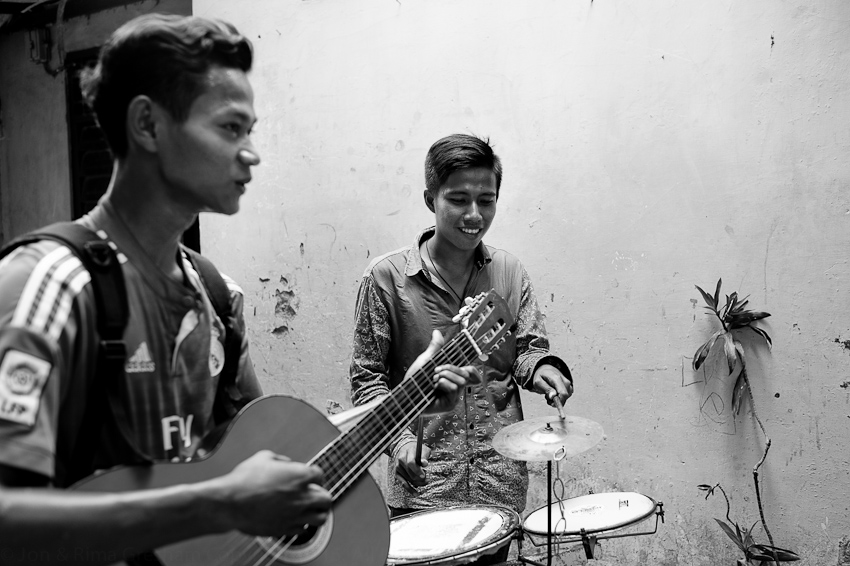
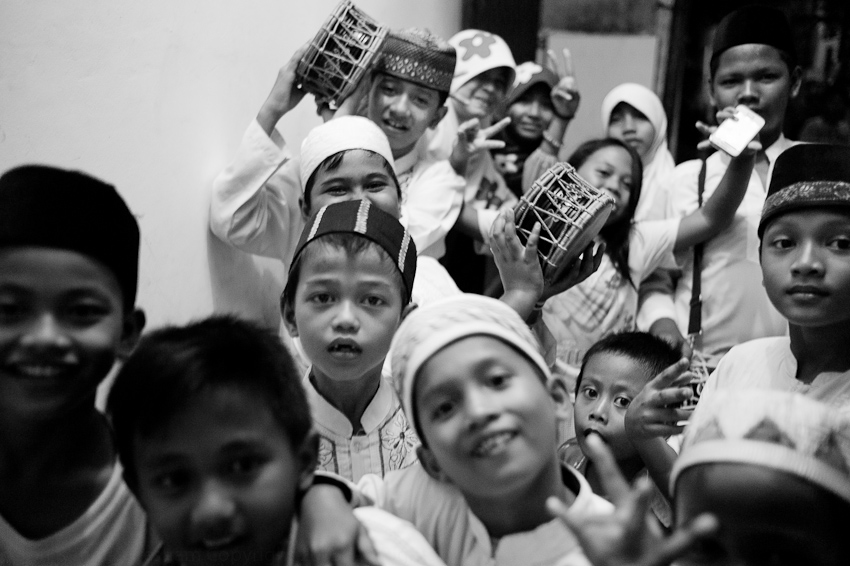
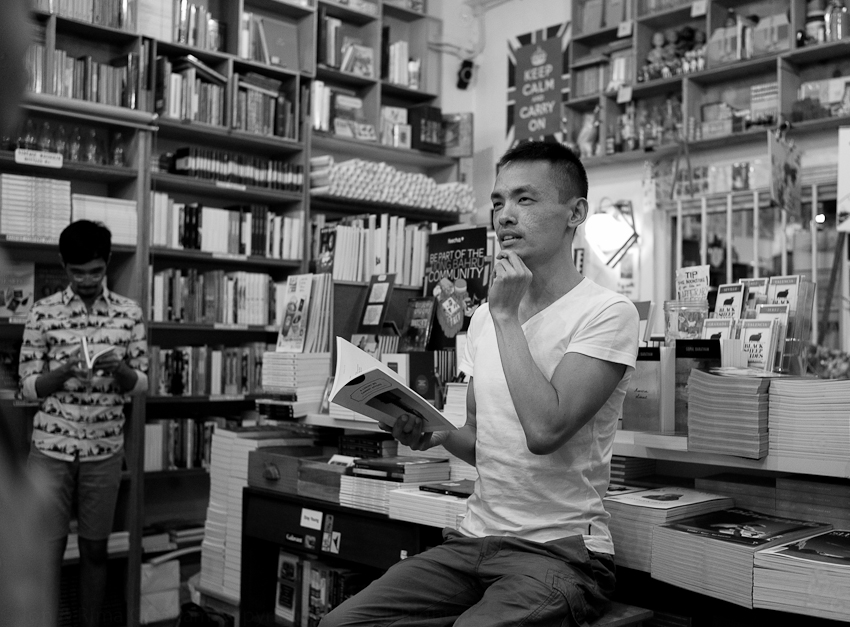
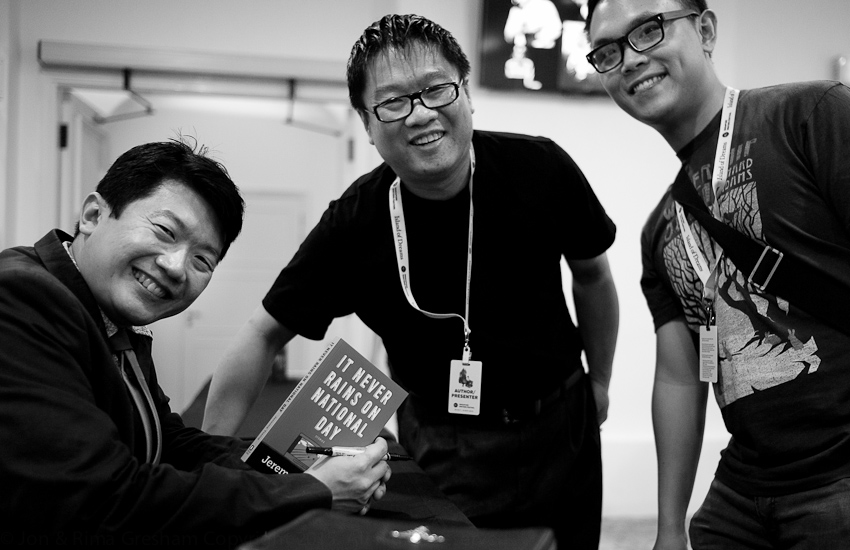
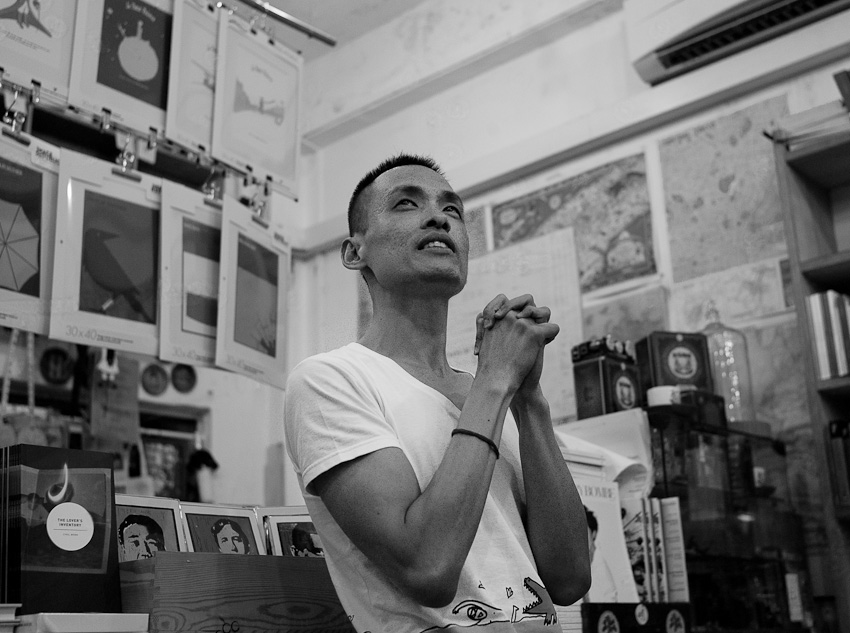
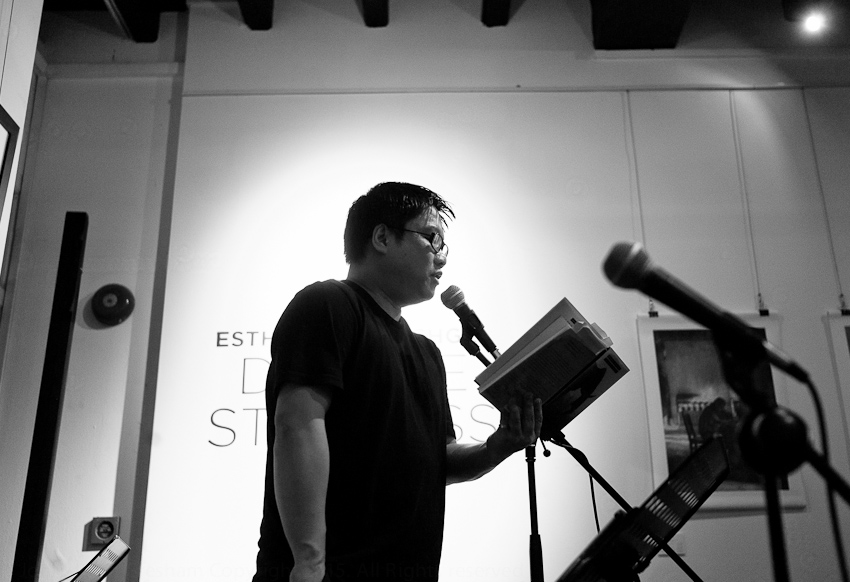
Congratulations Cyril & Desmond. Terrific achievement for The Lover's Inventory & I Didn't Know Mani Was a Conceptualist
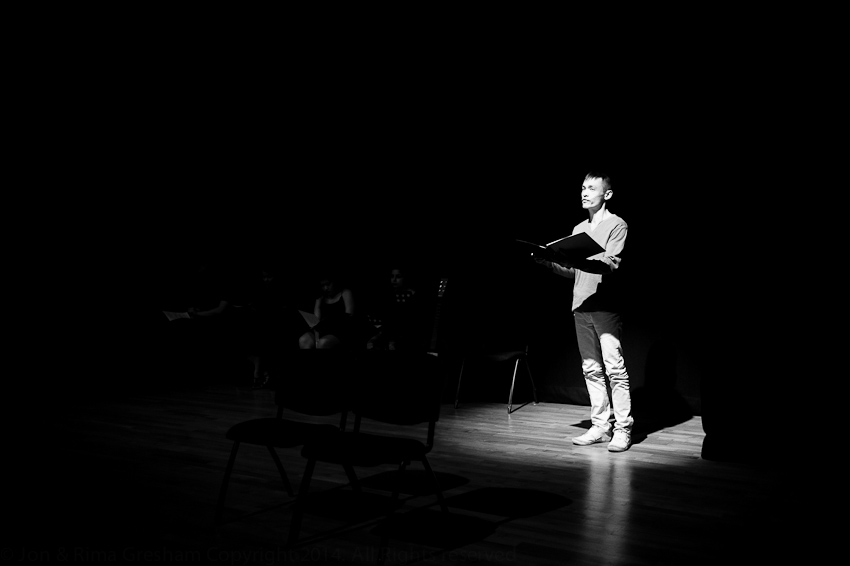
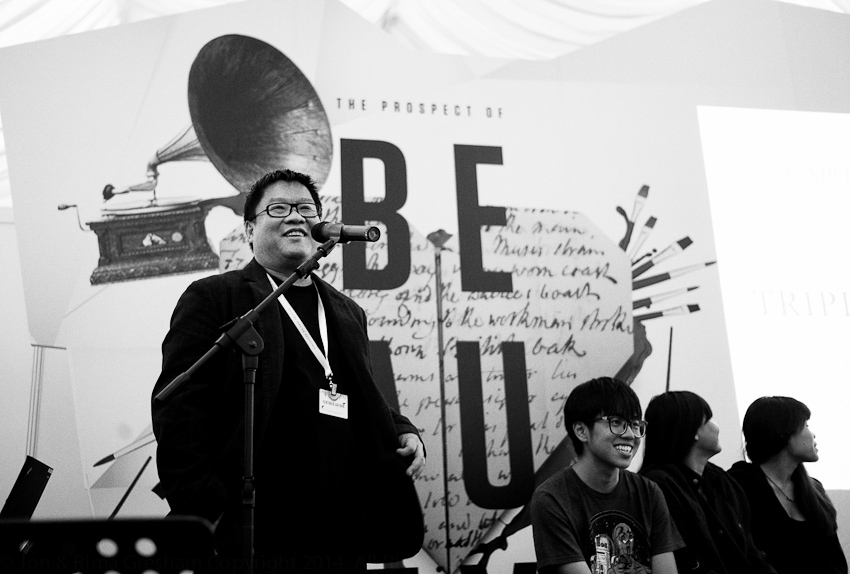
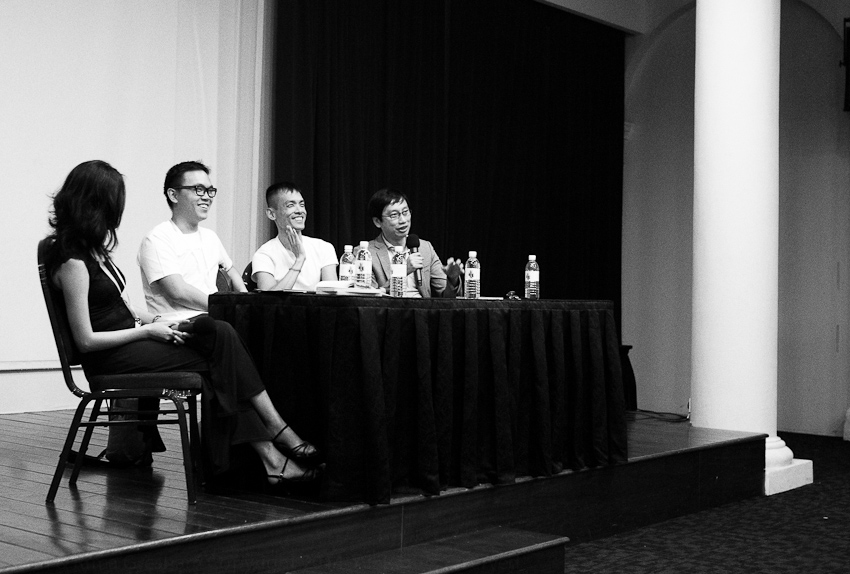
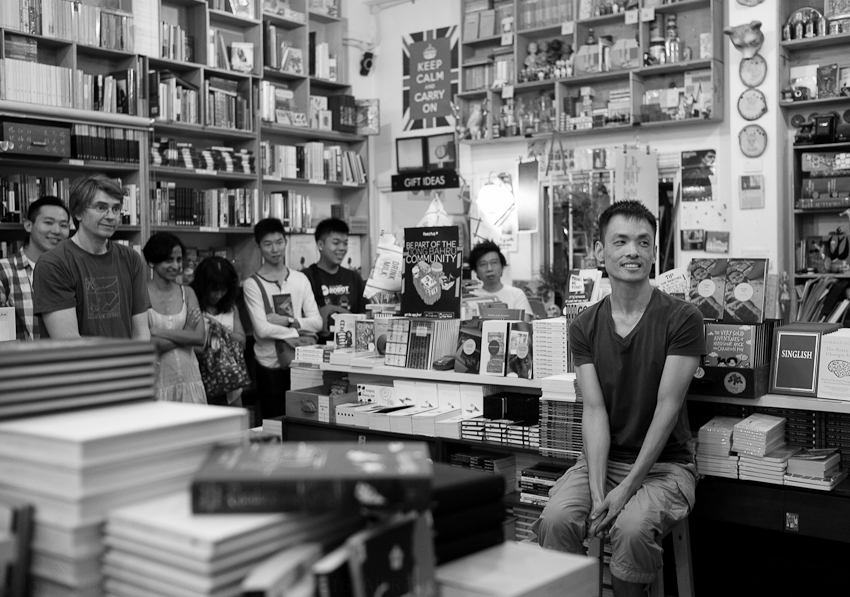
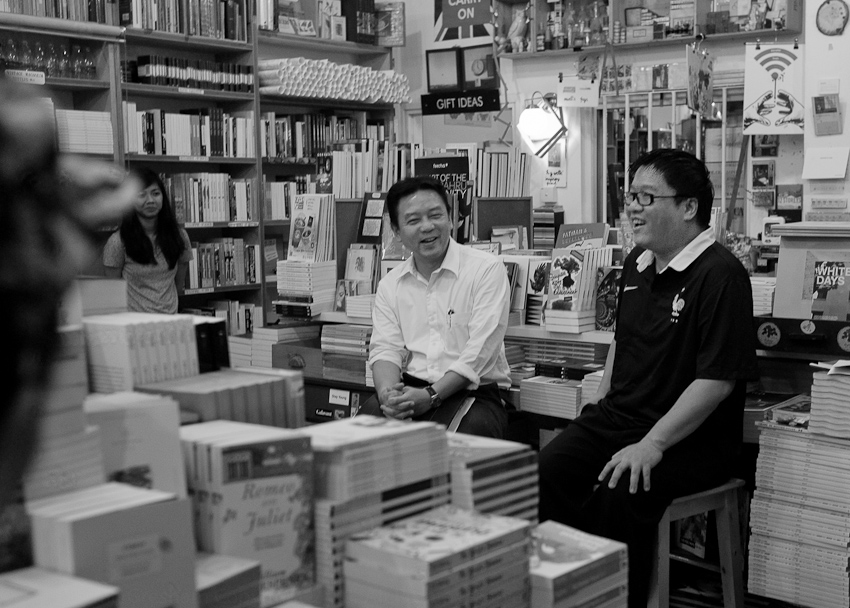
Congratulations Cyril & Desmond. Terrific achievement for The Lover's Inventory & I Didn't Know Mani Was a Conceptualist
October 2015, Jakarta Selatan
Poetry Of Departures
Sometimes you hear, fifth-hand,
As epitaph:
He chucked up everything
And just cleared off,
And always the voice will sound
Certain you approve
This audacious, purifying,
Elemental move.
And they are right, I think.
We all hate home
And having to be there:
I detest my room,
It's specially-chosen junk,
The good books, the good bed,
And my life, in perfect order:
So to hear it said
He walked out on the whole crowd
Leaves me flushed and stirred,
Like Then she undid her dress
Or Take that you ****;
Surely I can, if he did?
And that helps me to stay
Sober and industrious.
But I'd go today,
Yes, swagger the nut-strewn roads,
Crouch in the fo'c'sle
Stubbly with goodness, if
It weren't so artificial,
Such a deliberate step backwards
To create an object:
Books; china; a life
Reprehensibly perfect.
Philip Larkin
Jakarta Selatan, October 2015
Silom Rd, Bangkok, 2002
A friend, and fellow Singaporean writer, asked me to take a look at one of her short stories in near final draft. The question of ‘cultural appropriation’ arose - although it was not an issue in her excellent story. The issue was discussed recently on FB in a strident critique of the treatment of a Malay character in a story appearing in Cha last year by another Singaporean writer.
Generally, I think it is fine to write about other cultures and races - after all, that’s what writers do, imagine other worlds & lives - but obviously there are pitfalls and there is a need to be self aware, reflective, and aware of topical issues. Above all, one should be sensitive to the limitations of one's experience. Exploitation can turn cultural exchange into appropriation.
One needs to be politically aware enough to understand where cultural appropriation could occur and then research the specific pitfalls and biases (e.g. mentioning names of deceased aboriginals, tribal marks, clothing, Indian headdresses etc). It’s always important to recognise one’s own unconscious biases and therefore seek the input of wise friends from the group that you are writing about ... and listen to their perspective. If you’re going to be provocative you have to be prepared to take the criticism.
I’m not sure I always succeed in achieving the right balance on cultural sensitivities. In several stories in We Rose Up Slowly I try to shine a little light on stereotypes and casual racism. The implied criticism in the text is directed at the privileged protagonist.
The question then arises how a writer should be sensitive to describing what is rather than what should be (a positivist approach versus a normative approach), and whether it's right to judge a story on the moral outcomes for its characters. Questions of authenticity are also raised.
Feel free to critique and/or provide input on these principles.
I share below the questions I ask of my stories to try to avoid ‘cultural appropriation’ or reinforcing privileged discourses. It’s useful for me to set out these principles.
a) Do my characters of a certain type/race/gender/ethnicity/culture etc "accessorise" other more “normal”/hegemonic characters? Do they just provide comic relief? Do they reinforce stereotypes? Are they one dimensional? How can I make them a bit more nuanced and complex?
Does the uniqueness of the non hegemonic characters come through so their individual identity transcends their culture/gender etc?
b) Who has agency? Is it only the privileged or the members of the hegemonic group who have agency, who gets to make choices or assert themselves? Who gets to change? Where there is attraction/repulsion, does that attraction/repulsion arise from the exotic in the other, or a trope of ethnicity? Does attraction/repulsion arise from the uniqueness of the other person?
c) Whose power is being challenged or subverted in the story?
d) What are the discourses surrounding the ethnicity/race/gender/culture of the characters? How is intersectionality working in the story? Does the story treat these issues with awareness & intelligence or in a facile, simplistic, reinforcing the hegemony/privileged way?
e) Do the reader have empathy with the non hegemonic characters? Where are they coming from? Are their motivations more than just stereotypes/cliches of their group? Am I ‘essentialising’ their character?
f) Is there behaviour rooted in ‘lived experience’ & an outcome of their uniqueness or does it pander to stereotypes and preconceived ideas about how such people would behave?
g) Have I asked a diverse range of relevant, wise friends to read my story for their perspective. Have I asked someone who is from that minority ethnic/gender/race/cultural group to read the story & have I listened to what they have to say.
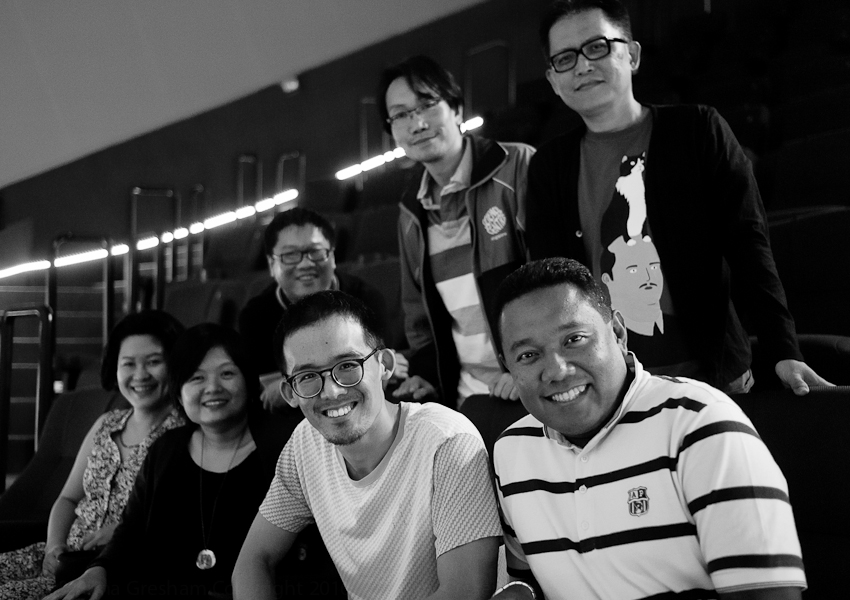
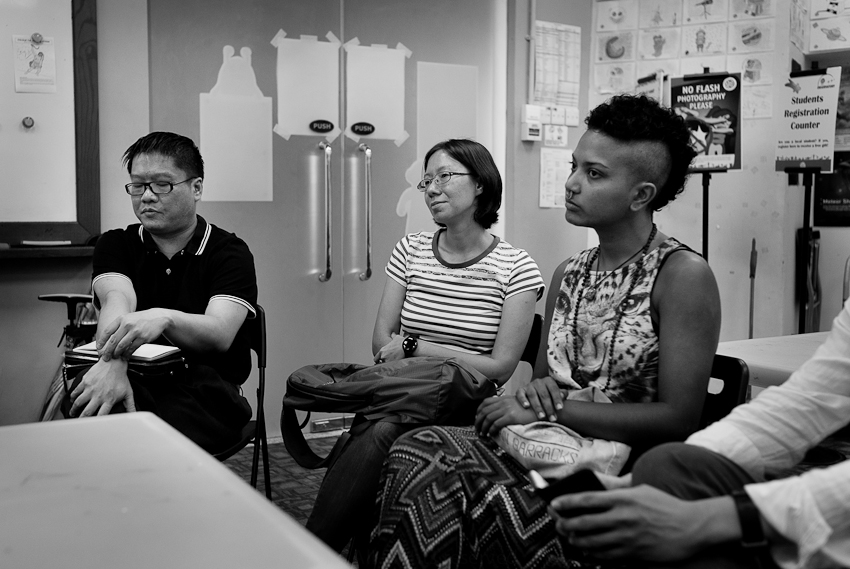
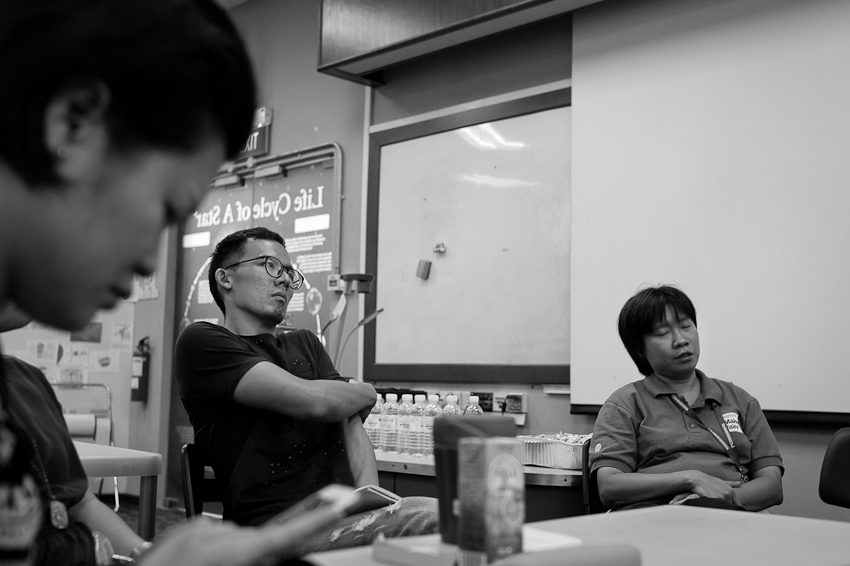
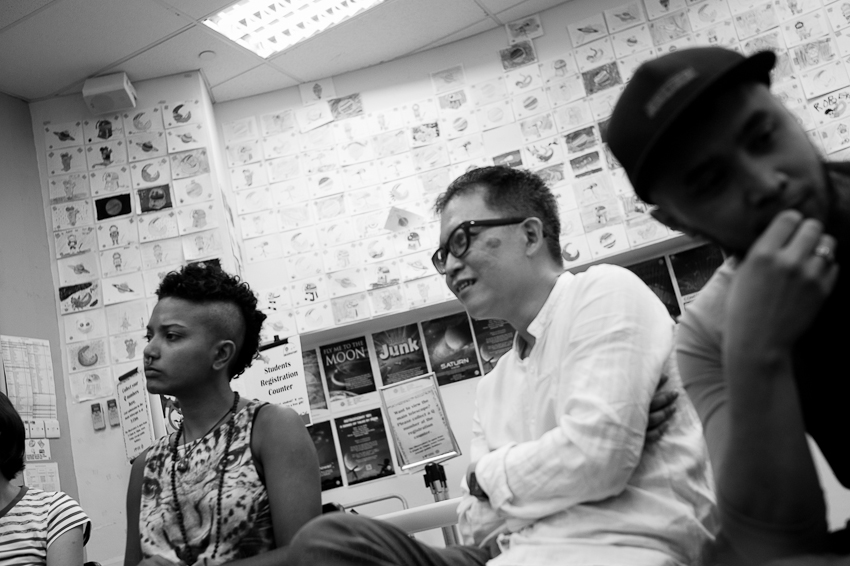
I’m delighted to be amongst the writers featured in the SWF Pop Up Event Poets Among the Stars which will take place at 5pm on 4 June 2016 in the Omni Theatre at the Science Centre.
It’s free & you can get your tickets on Peatix here.
Eight Singapore poets will each read a poem against the backdrop of the Universe spread out across the huge, domed screen. The star studded* line up includes:
Award winning, Singapore Literature Poetry Prize nominated, multi-talented, ex -journalist and all round inspiration to both young and old.
Award winning, poet and teacher, writer of A Separation and The Law of Second Marriages, and co-editor of A Luxury We Cannot Afford.
Writer, performer, four-time TEDx speaker and force of nature. Deborah’s recently launched creative non fiction book, Rebel Rites, is an account of her year in the Singapore prison system.
Writer, educator and bird watcher, Ann Ang’s collection of short stories, Bang My Car, a Singaporean classic starring the Uncle has recently been reprinted in a beautiful second edition from Math Paper Press.
Award winning poet, translator and educator, Loh Guan Liang has recently launched his 'knock out', second book of poetry, Bitter Punch, published by Ethos Books.
Award winning writer and journalist, Deputy Editor of Berita Harian. A creative force in Singapore since the 90s.
Award winning poet, translator, publicist and educator, her poetry collection, They Hear Salt Crystallising (Firstfruits Publications, 2010) was shortlisted for the Singapore Literature Prize in 2012.
Come along it’s free!!
*Excluding your humble scribe.
Naka Meguro, Tokyo, Japan, 2012
The joys of existence this evening but not necessarily all at once:
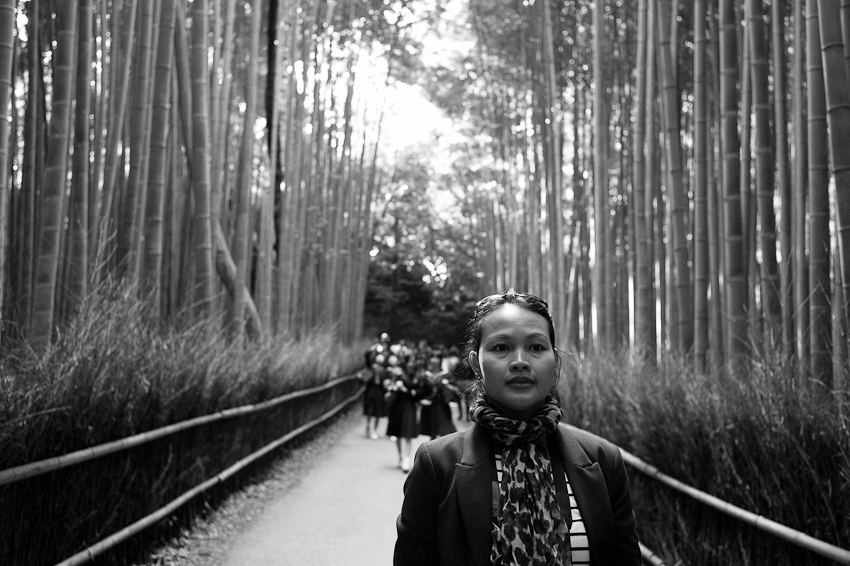
Arashiyama, Kyoto, Japan, 2012
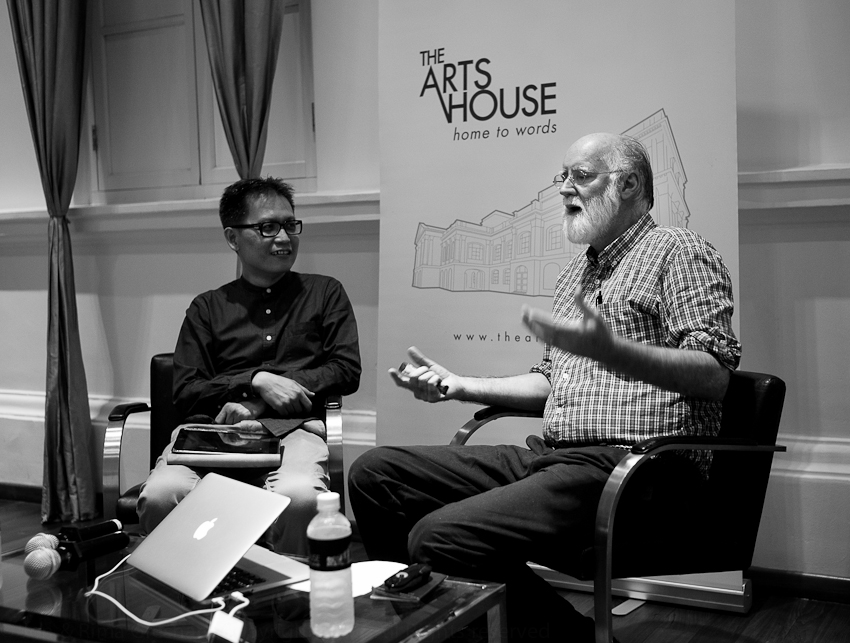

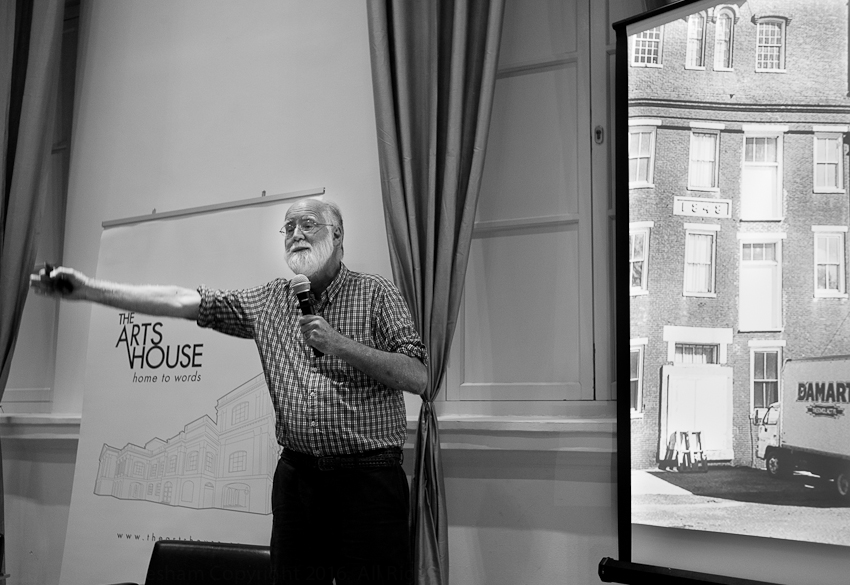

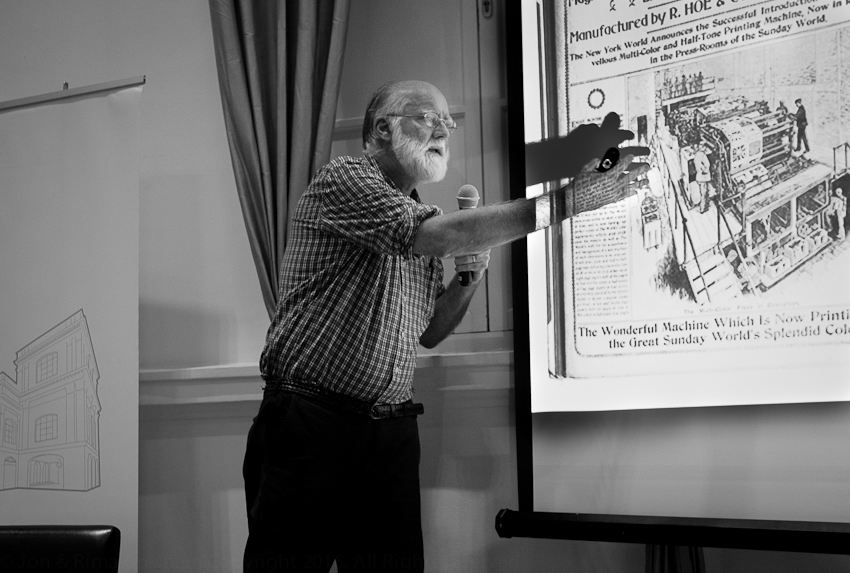
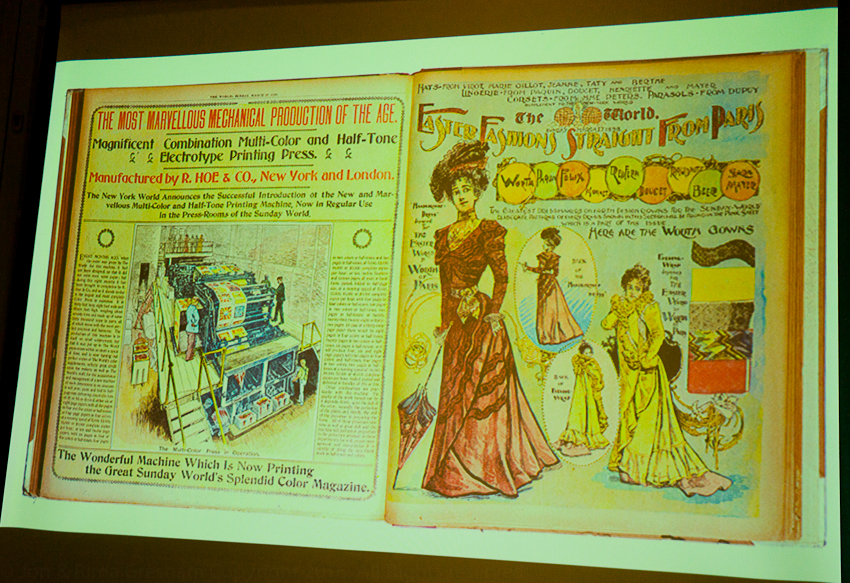
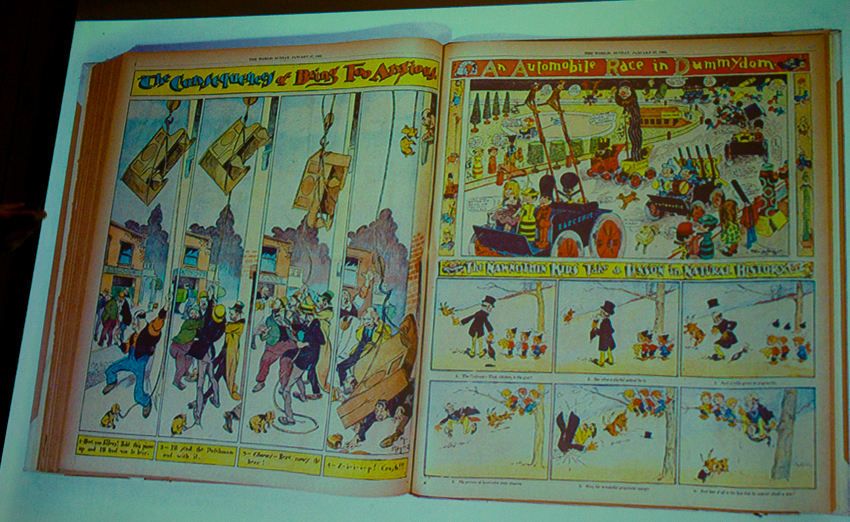
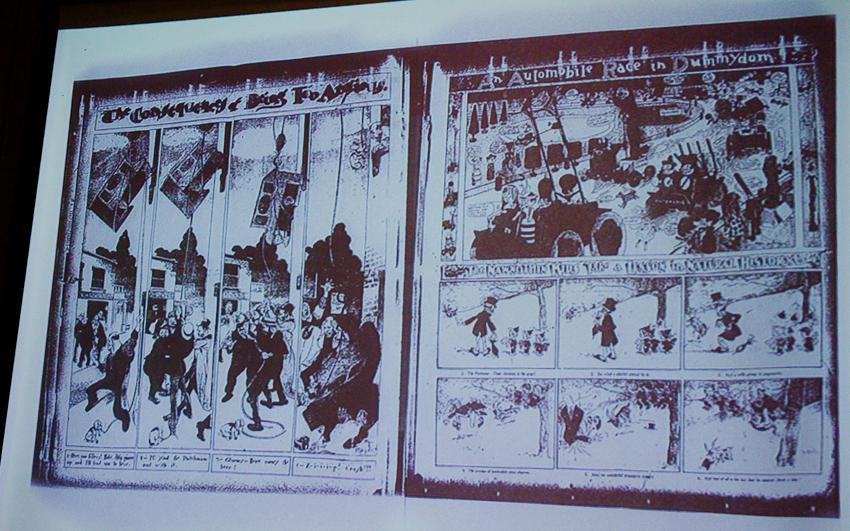

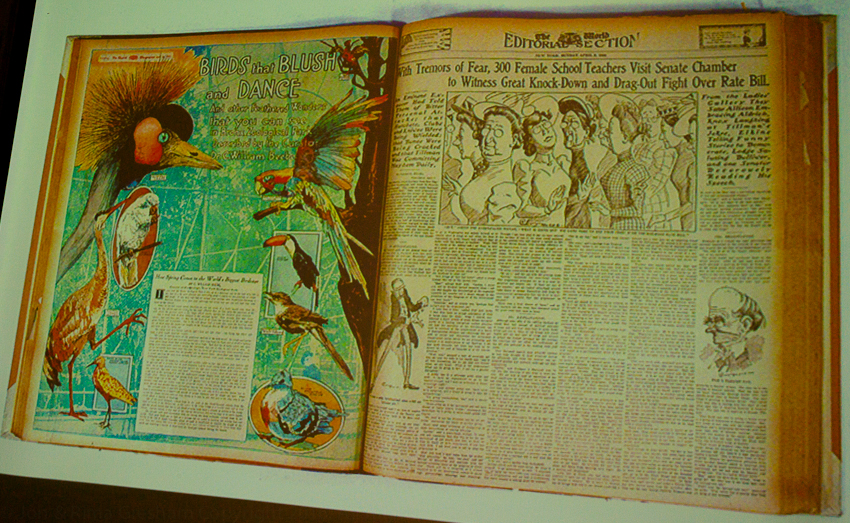
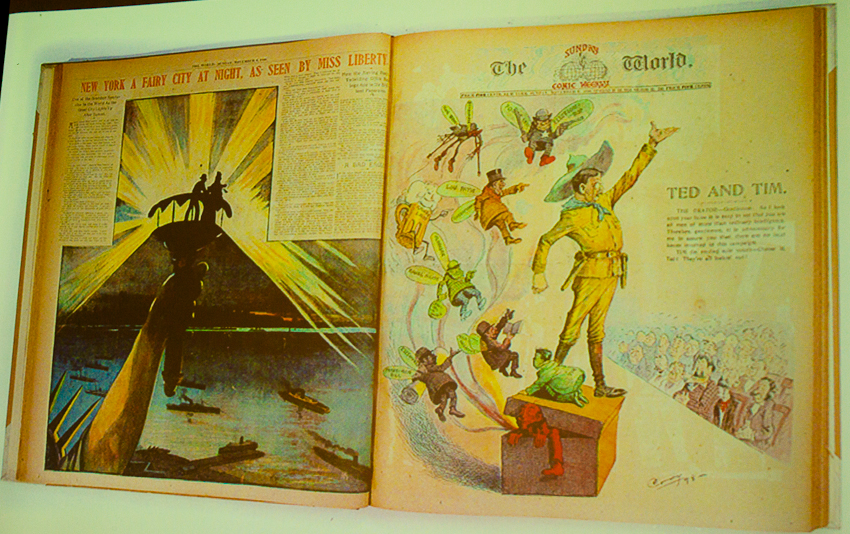
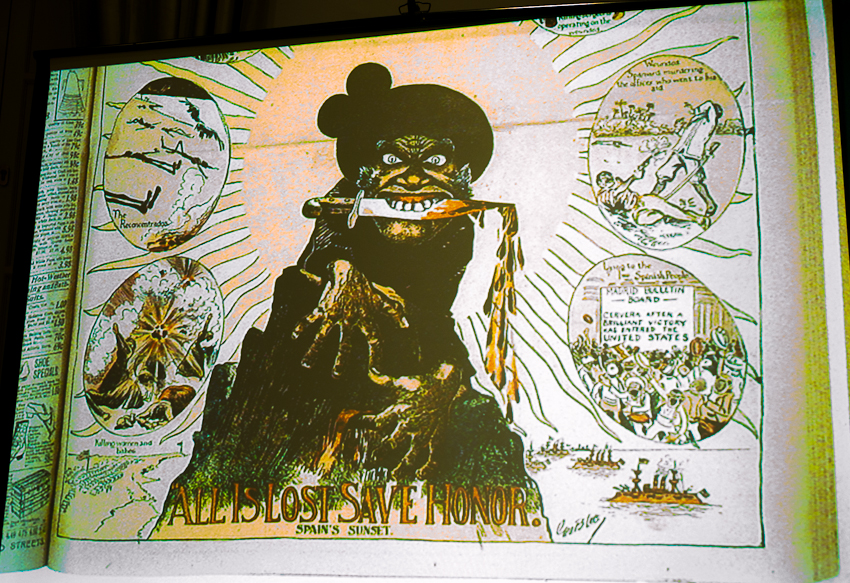
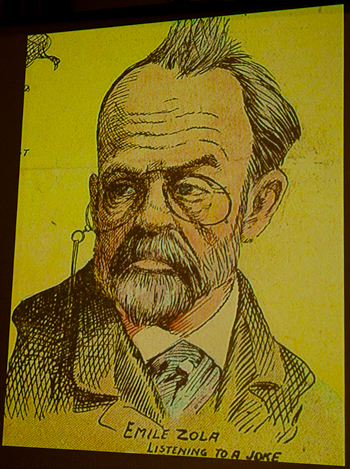
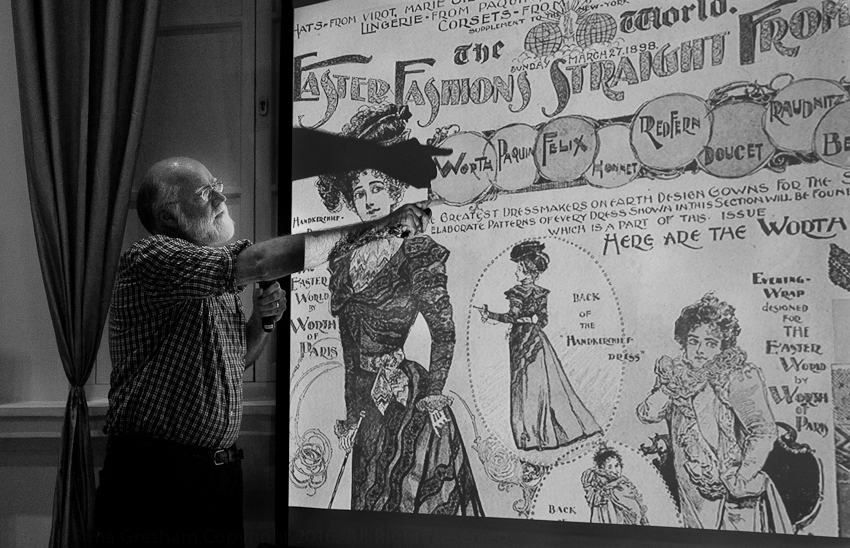
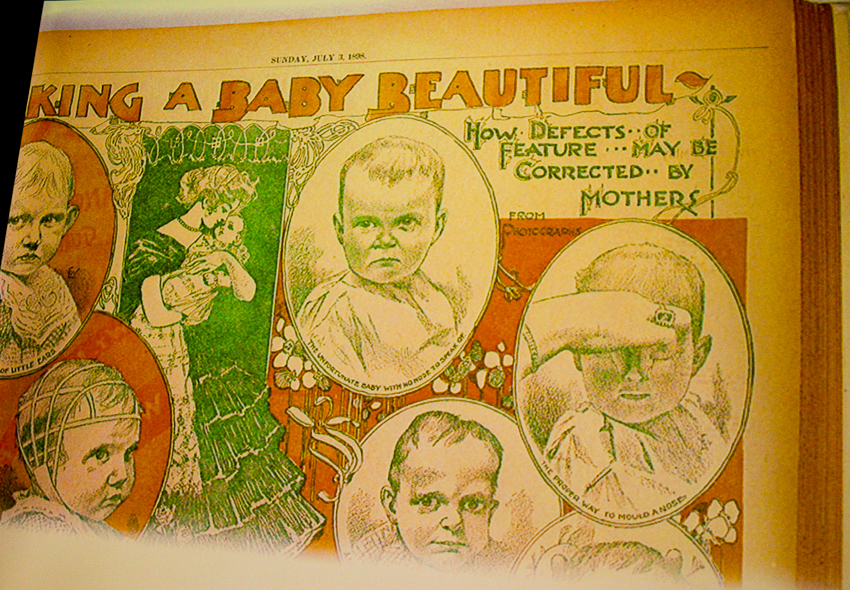
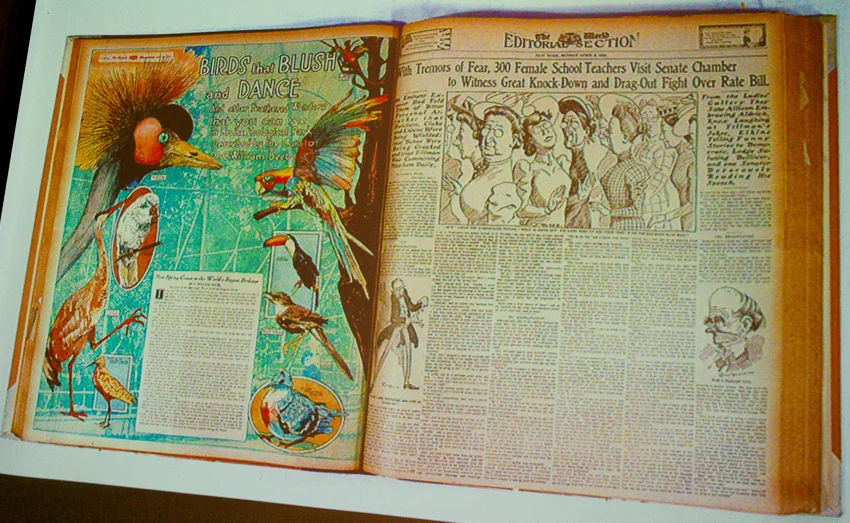


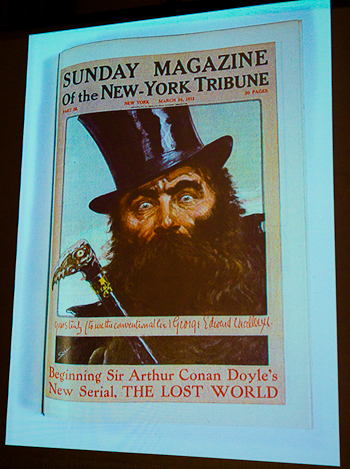
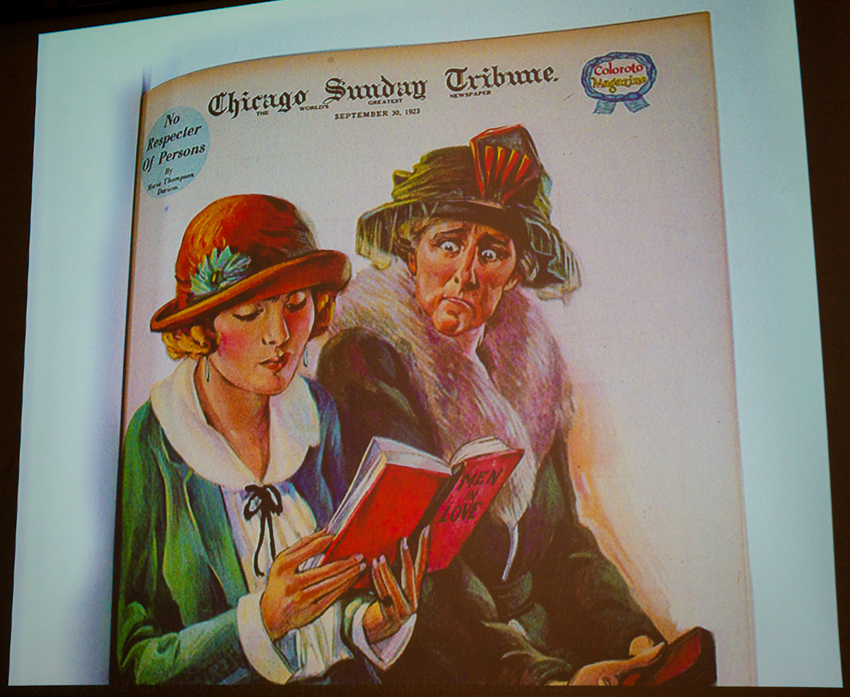


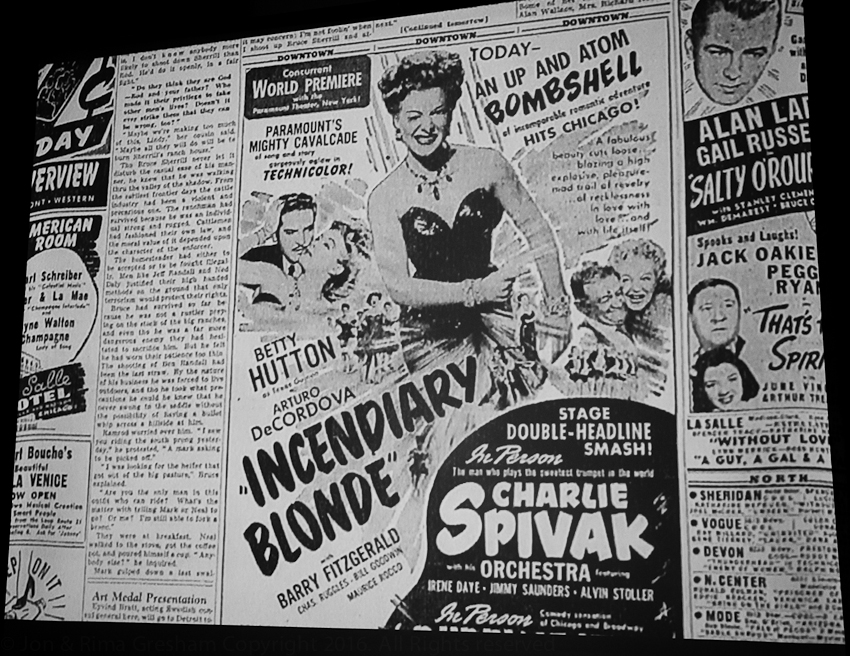

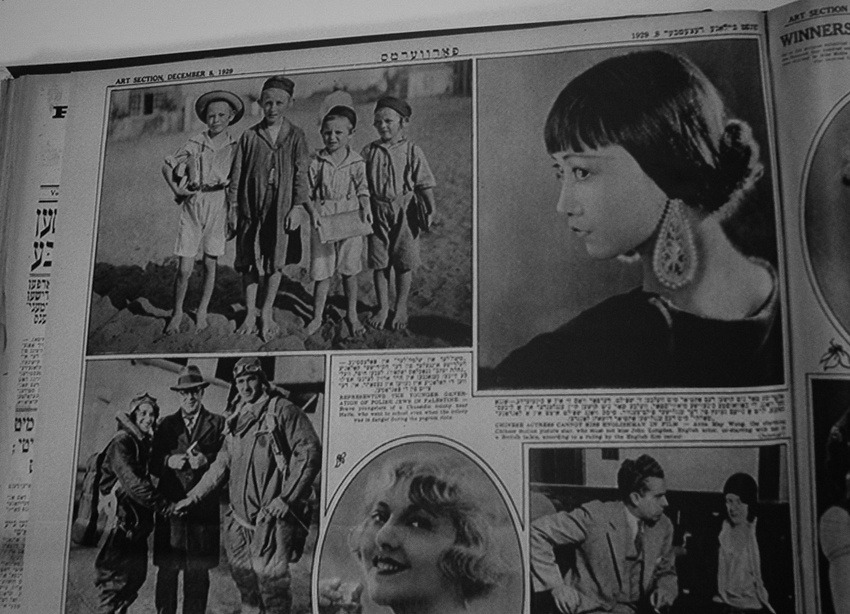
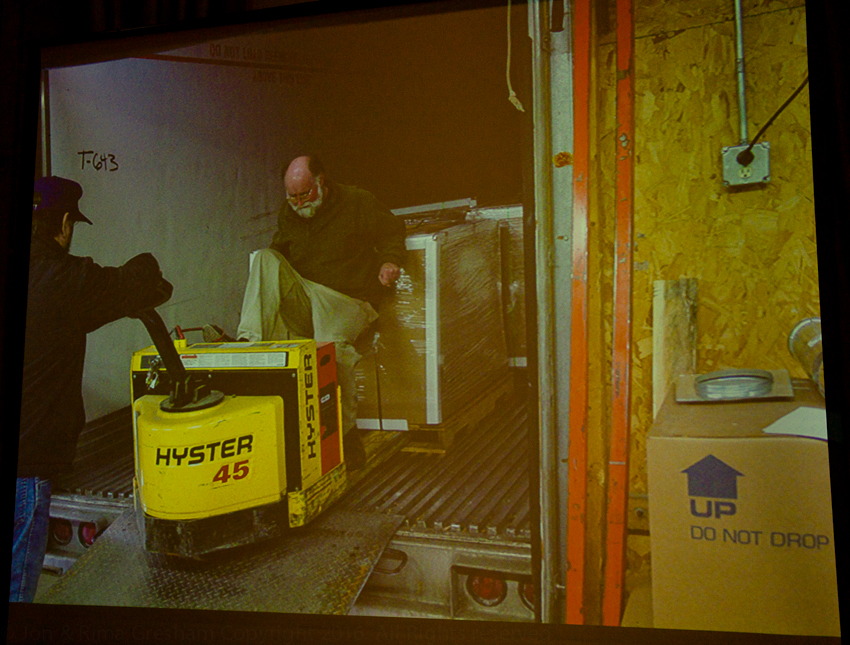
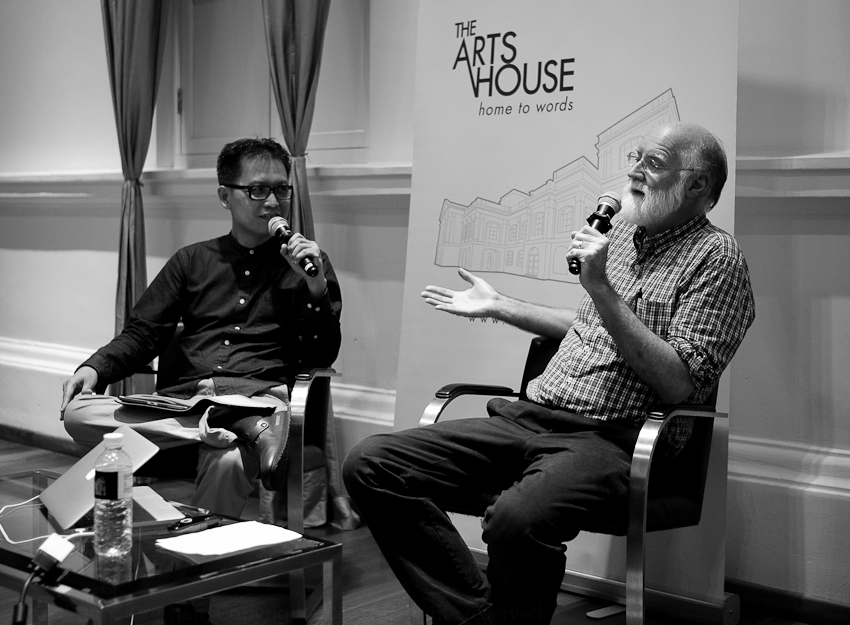
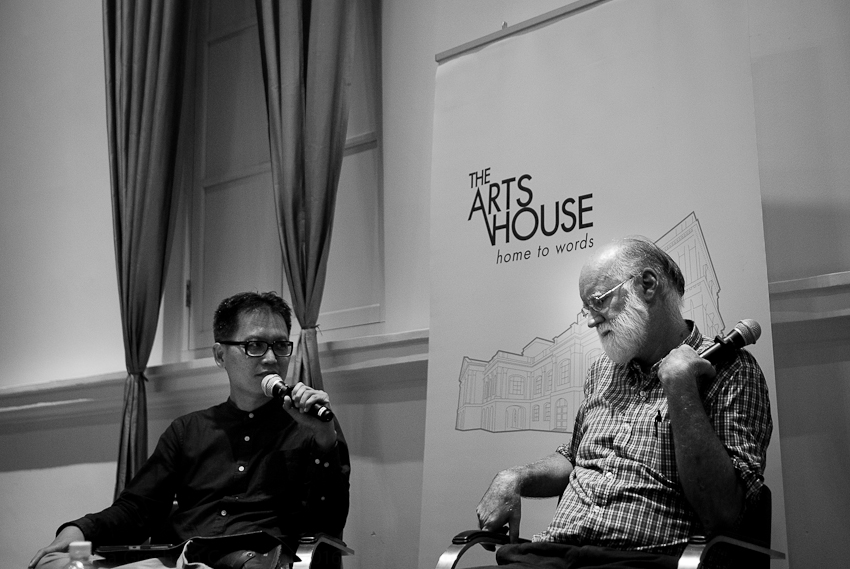
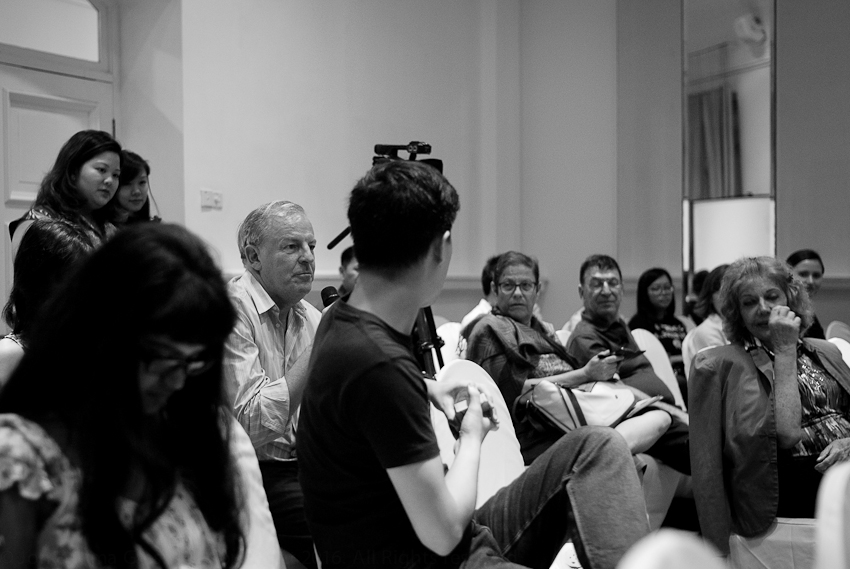
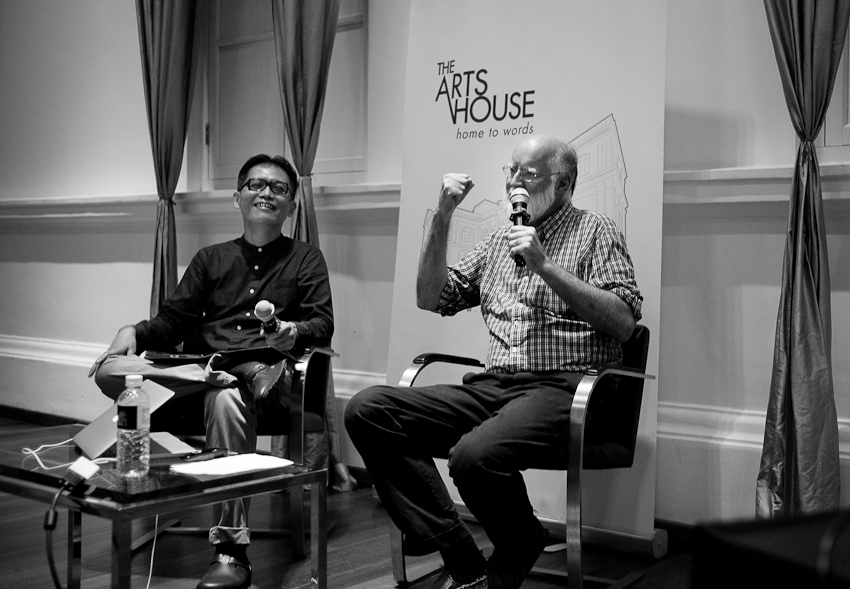
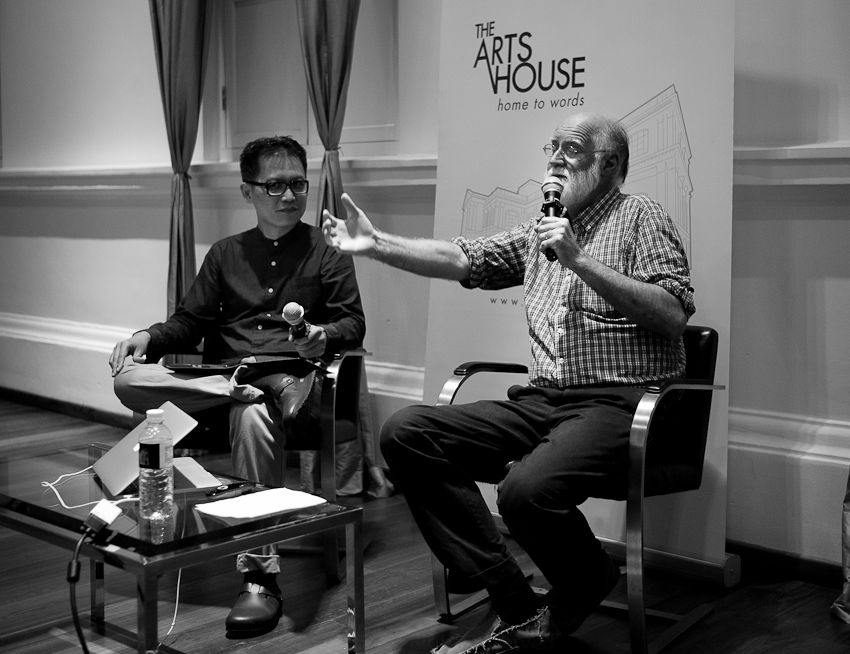
On 12 May 2016 at The Arts House in Singapore, Nicholson Baker spoke about the 20 tons of bound newspaper volumes he bought from the British Library in 1999 using part of his retirement savings. He told us the story of Joseph Pulitzer’s ‘The New York World’ which was first published in colour over a hundred years ago.
The presentation showed:
I now regret tossing out my old copies of The Face and Beano.
I first read Nicholson Baker over 20 years ago so it’s been a privilege to meet him in person, and a treat to appear on a panel on Creative writing at NTU with him and Agnes Chew and Diana Rahim. He’s very tall, lacks pretension and self importance, and has shown a considerable warmth and generosity of spirit while attending literary events around Singapore this year. I don't think many in Singapore realise what a giant, and decent chap, of American letters Nicholson Baker is.
In the early 90s I first read his books Vox and The Fermata - these books were an integral part of my education. Initially I was disappointed when I read his subsequent books - spending ages looking for the naughty bits with very little success. Then I let the words and experience wash over me and I began to enjoy the meticulous, precise, flowing prose of Mezzanine, Room Temperature and A Box of Matches.
I really like his book, Human Smoke. Provocative and important, and very different in style to his other writing.
I’ve never read House of Holes, The Anthologist or Travelling Sprinkler. I must go to BooksActually and see if they have any of them.
"So we lunched at Lau Pa Sat and talked through the surface of our lives. I told her my glorious pretensions and she smiled back with a charming reticence. I asked her what she was doing working for Mr Tan? Surely she could find something better? She said it’s just a job and she was biding her time while readying her heart and soul for the Universe. I told her I could relate to that. We talked about the dreariness of everyday life, how most things were old cabbage and wet socks. I told her I was getting out, moving to London where I could lose myself. I lectured her on the courage to move away from one’s comfort zone. She smiled at me and suggested Lombok rather than London."
Excerpt from A Long Bicycle Ride Into the Sea, a story in We Rose Up Slowly
You can buy We Rose Up Slowly here (free shipping in Singapore).
A Long Bicycle Ride into the Sea is a story from my collection, We Rose Up Slowly. The story was written in 2011 and published in Coast (Math Paper Press, 2011).
A Long Bicycle Ride into the Sea:
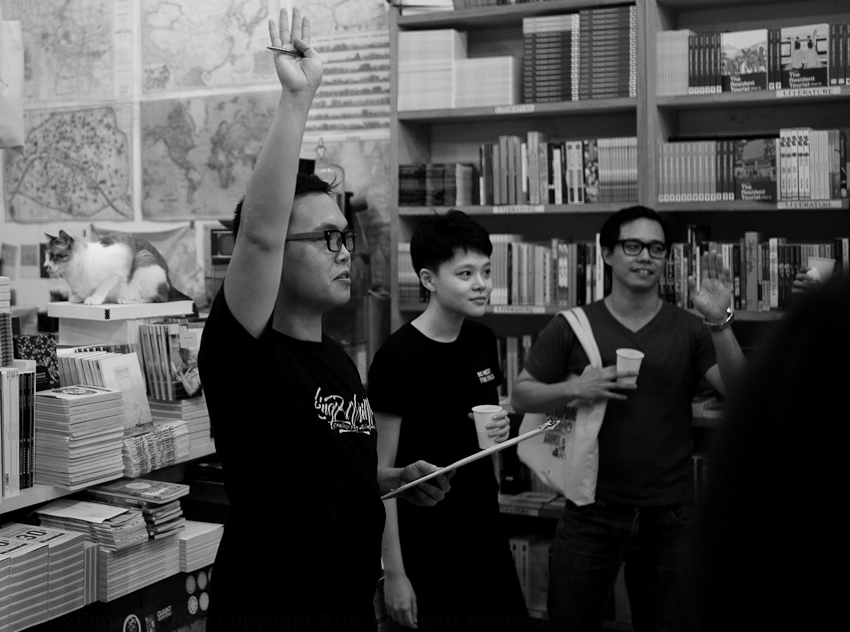
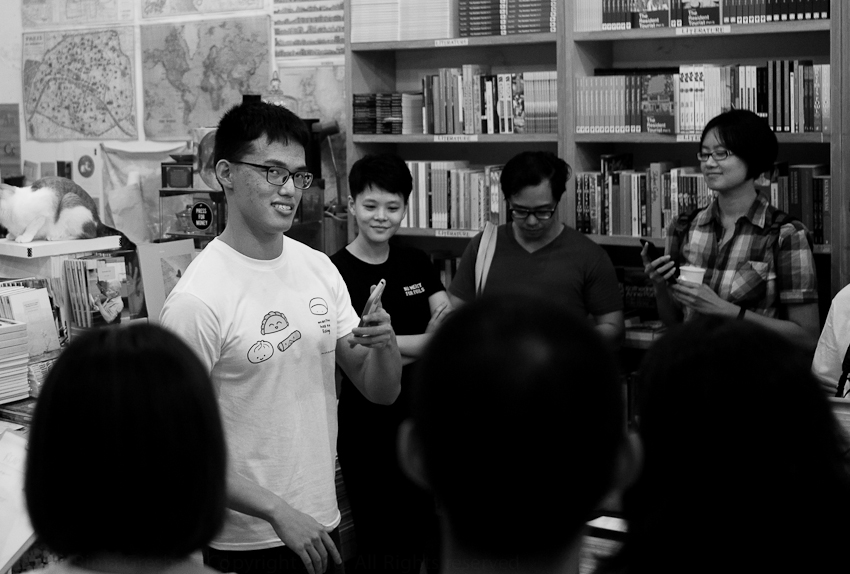
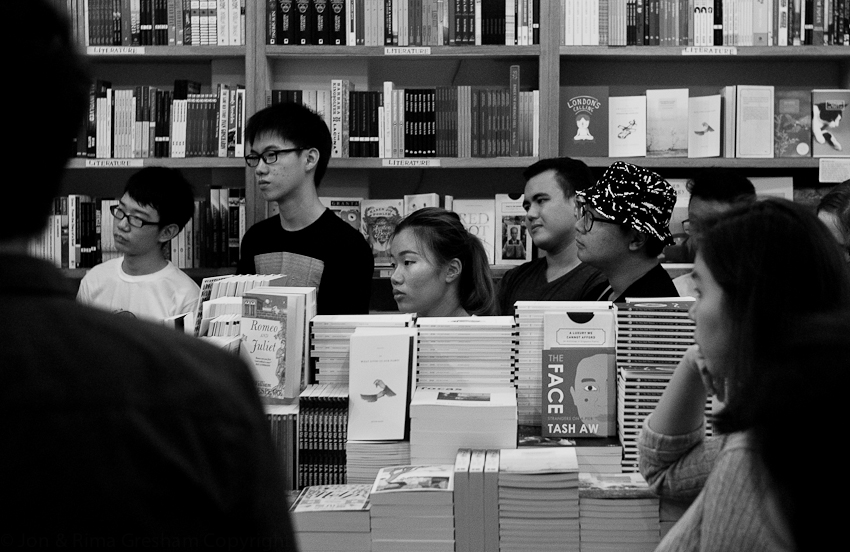
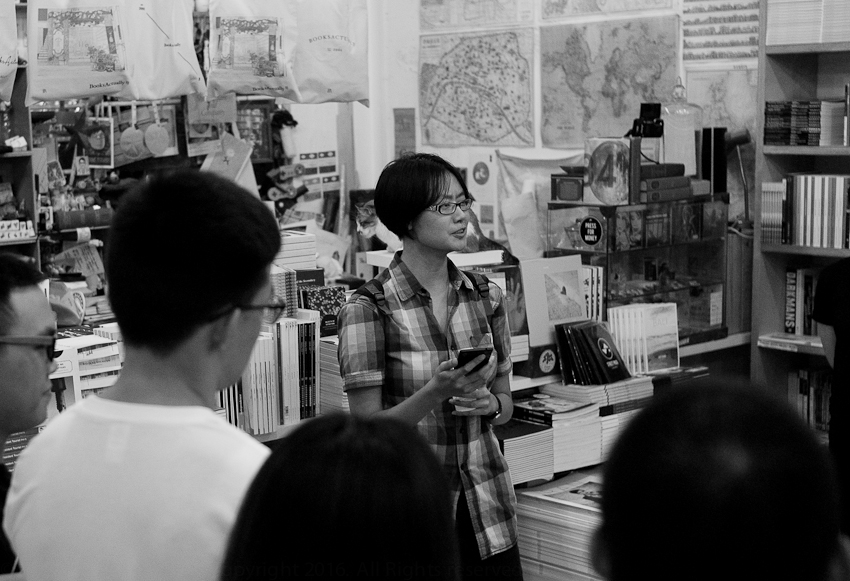
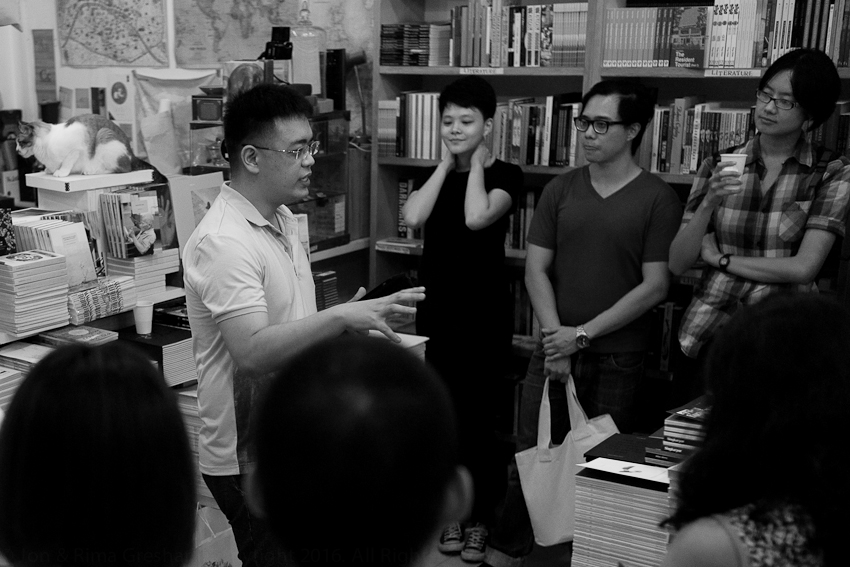
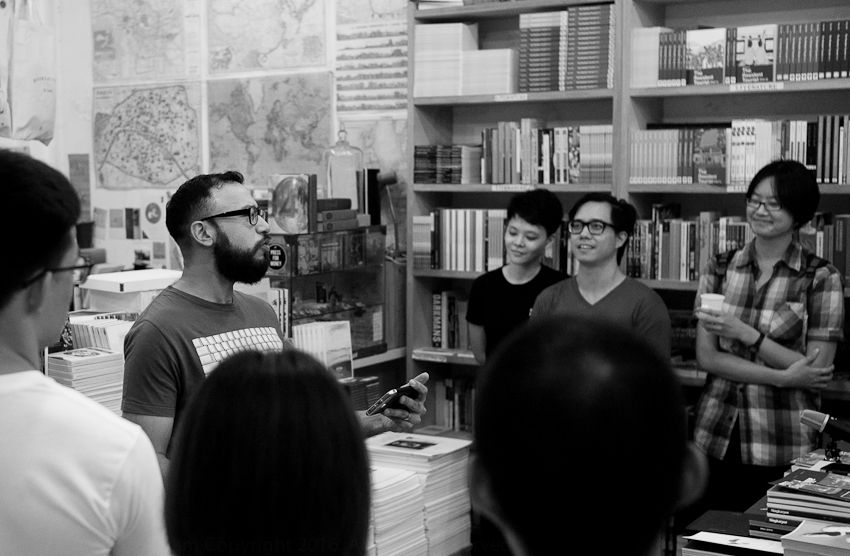


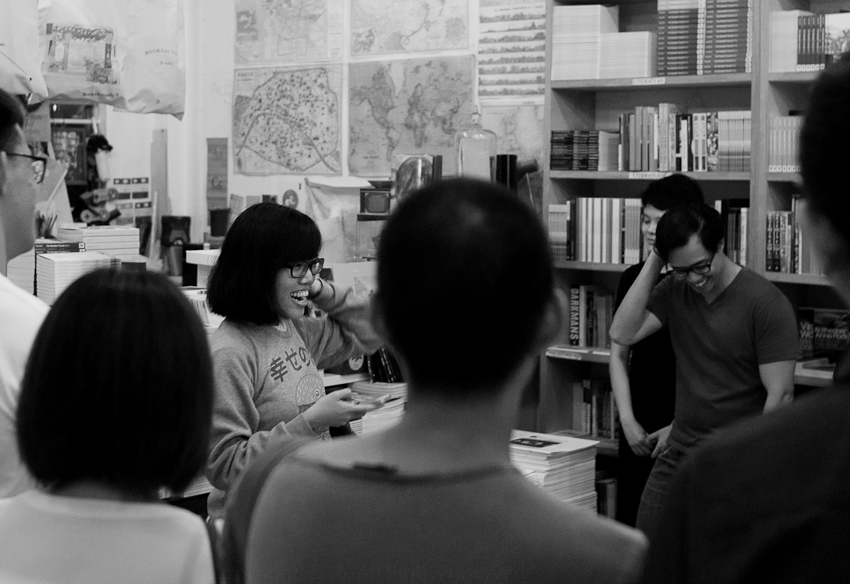
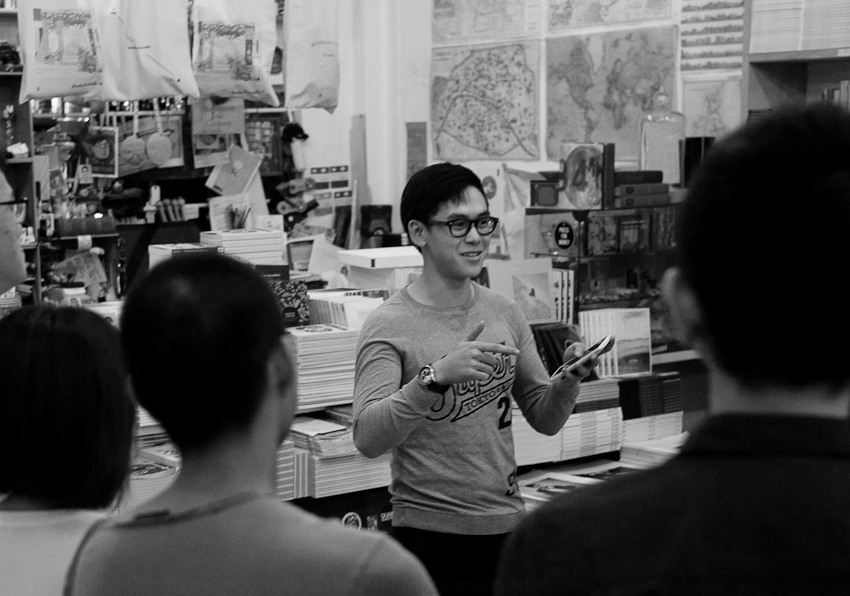
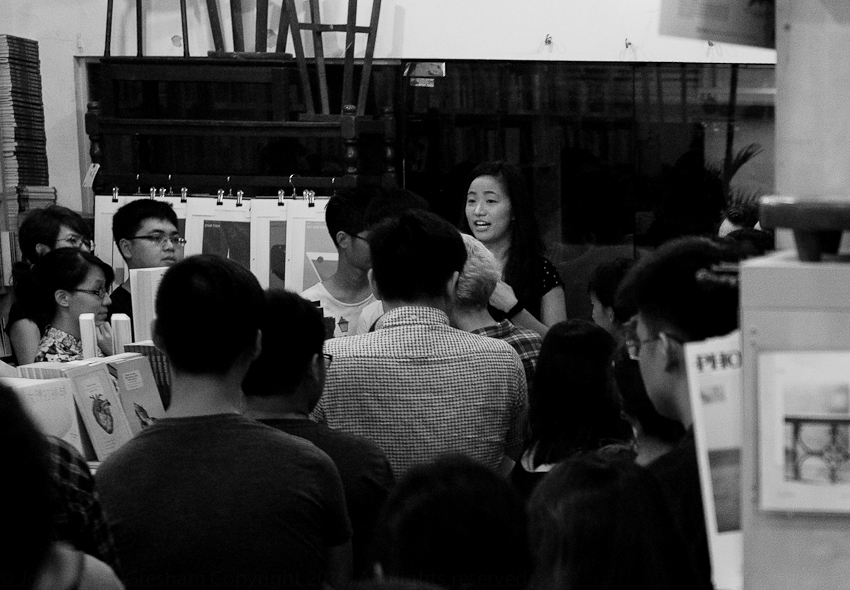
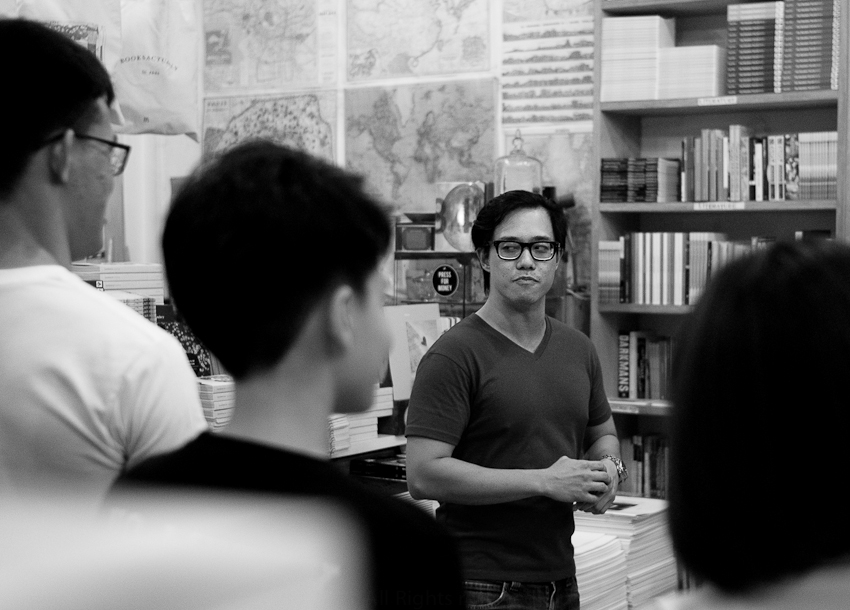
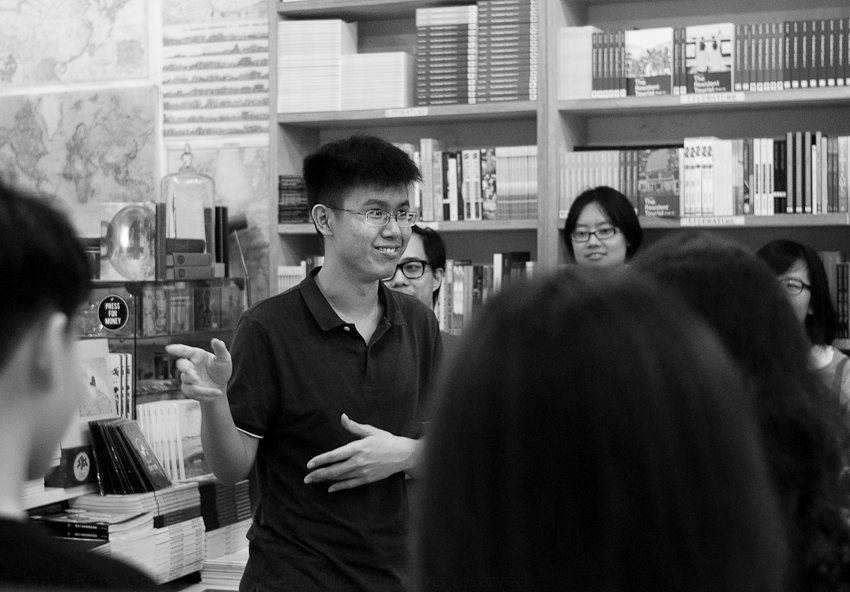
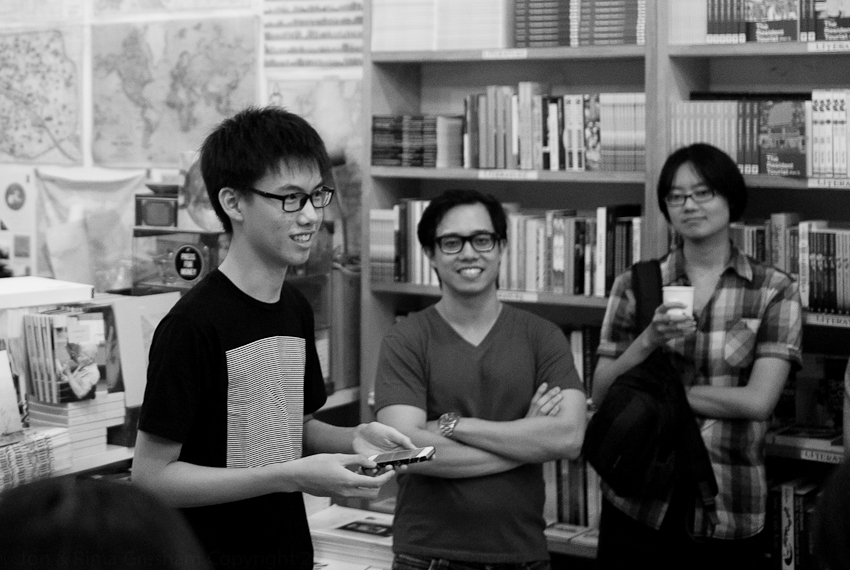
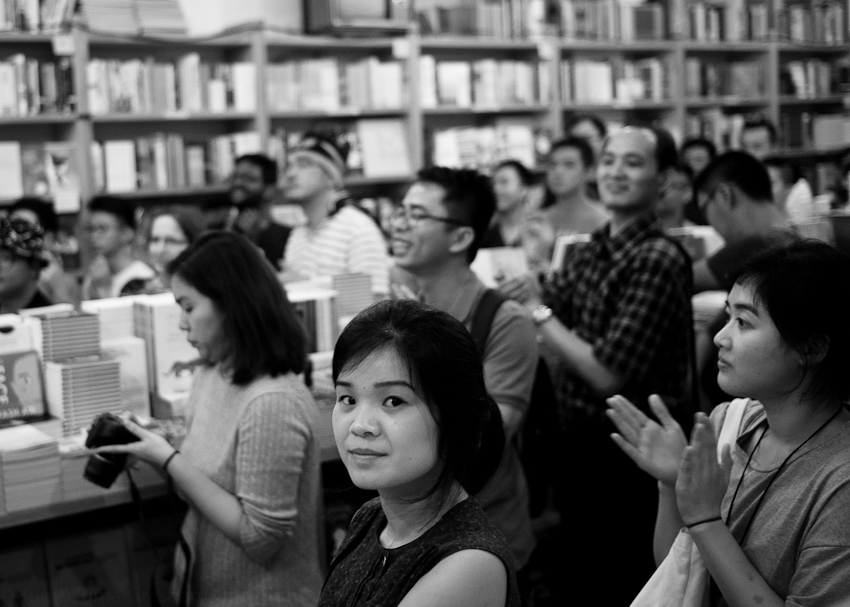
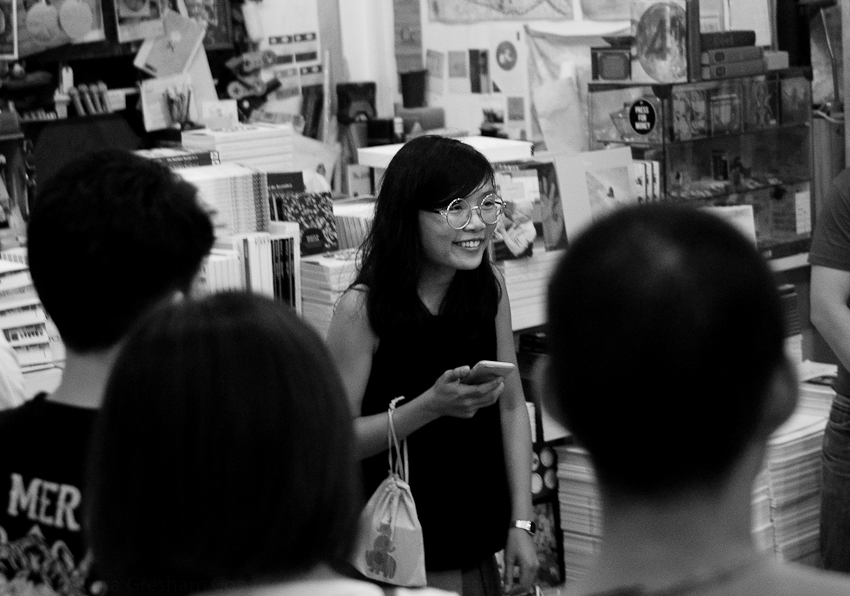
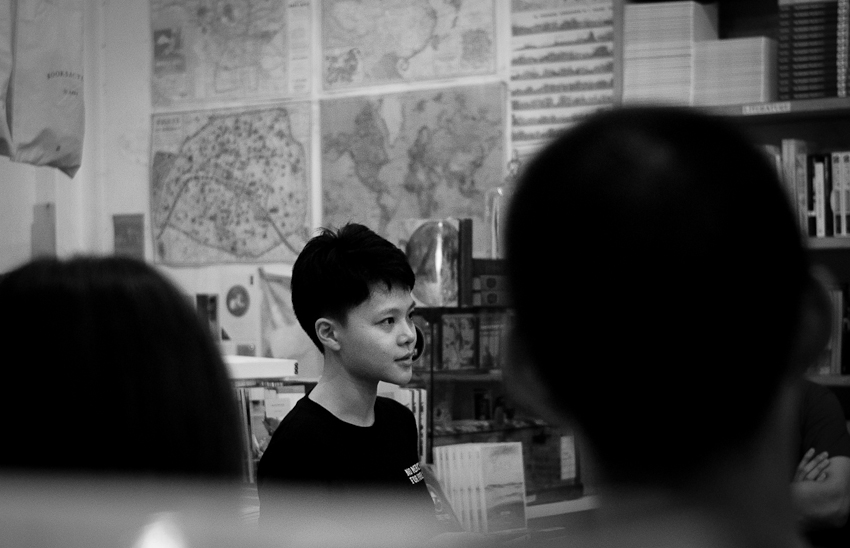
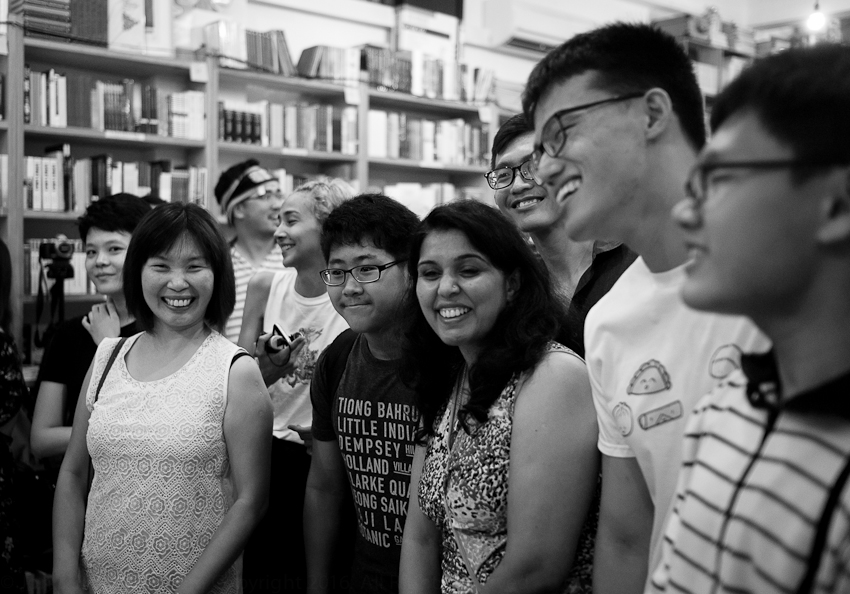
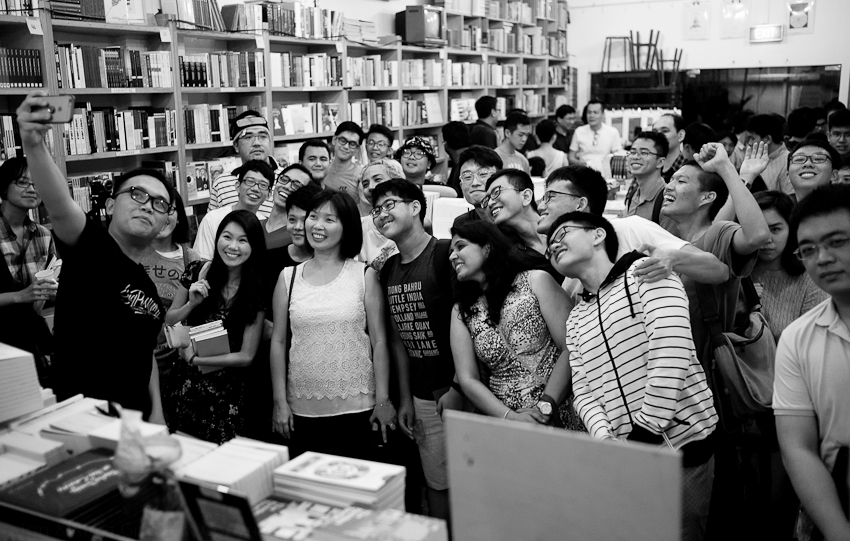
On 30 April, SingPoWriMo 2016 held its Closing Party at BooksActually.
Apparently there were free ice cream sandwiches. I didn't manage to get any (maybe that was by design) but I did manage to find a kind person who gave me a cigarette (thanks Jocelyn).
Joshua Ip has a list of things to do next - including contributing to journals and supporting the 2016 Anthology with a donation.
The index of prolific, posting poets, partcipating is here. This year's 'surprise find' was Poetry on the MRT - coming to a carriage near you very soon.
There is even an ST podcast on SingPoWriMo and poetry with Joshua Ip, Alvin Pang & Deborah Emmanuel.
Images from prior years SingPoWriMos can be found here.
So what's next for SingPoWriMo?
Perhaps next year's SingPoWriMo could go regional and become AseanPoWriMo??
Dad, Mum & Rima, Adelaide, December 2009
Happy Mothers Day Mum & Rima
To My Mother
Because I feel that, in the Heavens above,
The angels, whispering to one another,
Can find, among their burning terms of love,
None so devotional as that of “Mother,"
Therefore by that dear name I long have called you—
You who are more than mother unto me,
And fill my heart of hearts, where Death installed you
In setting my Virginia’s spirit free.
My mother—my own mother, who died early,
Was but the mother of myself; but you
Are mother to the one I loved so dearly,
And thus are dearer than the mother I knew
By that infinity with which my wife
Was dearer to my soul than its soul-life.
Edgar Allan Poe
Rima, Le Marais, Paris Sept 2008