Happy Thaipusam! Some facts about the Hindu festival Thaipusam and more here.
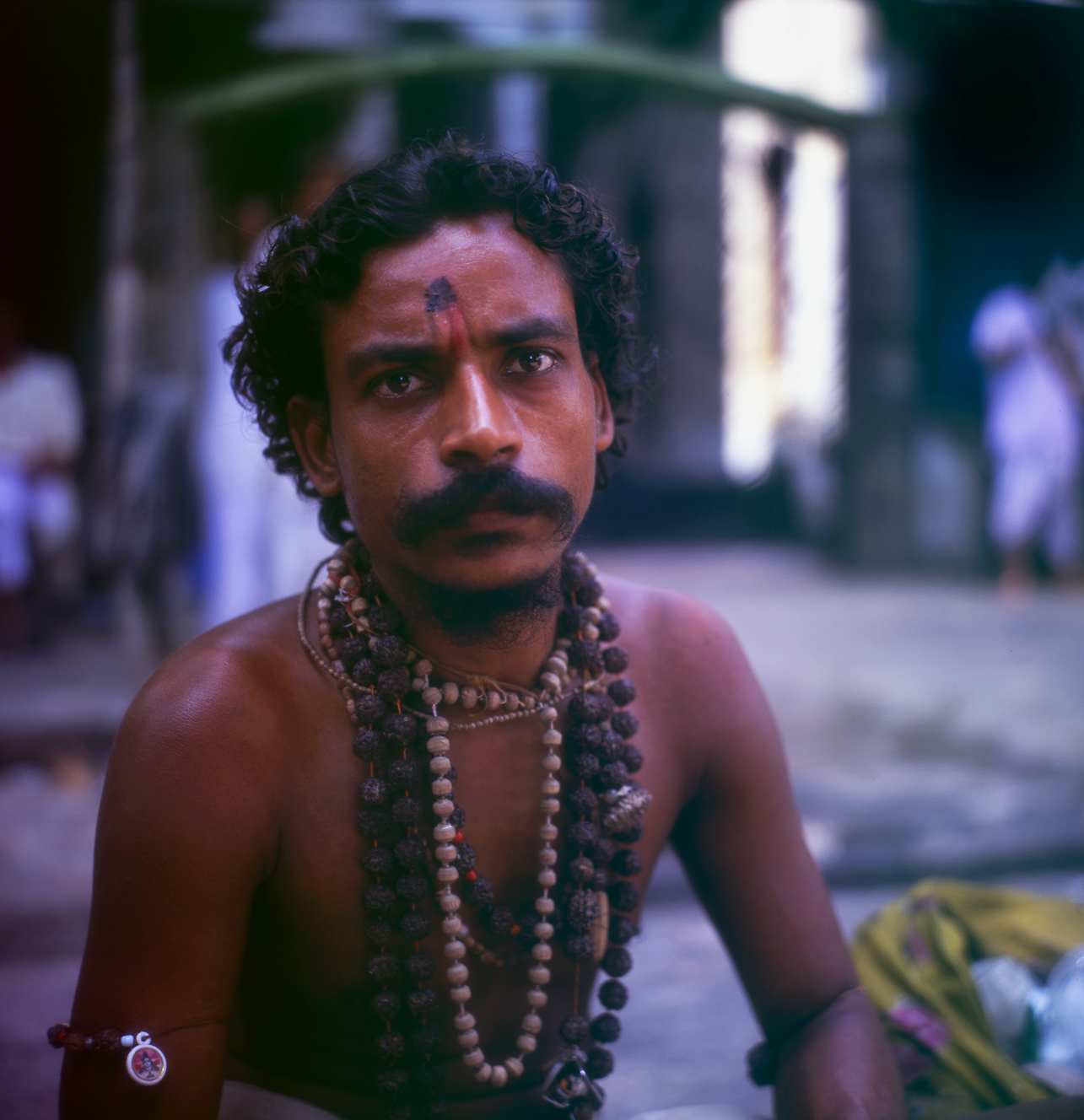
Kolkata 2006
When the moon is at its brightest
in Favourites, India
Kolkata 2006
Happy Thaipusam! Some facts about the Hindu festival Thaipusam and more here.
Charing Cross Road, Opposite the Palace Theatre, Shaftesbury Avenue, June 2013
I am back after some time away while I worked on finishing my book of short stories, We Rose Up Slowly.
The editing process is nearly finished and I hope to send it to the publisher ahead of schedule.



The Golden Mile-Stone
(Birds of Passage. Flight the First)
Leafless are the trees; their purple branches
Spread themselves abroad, like reefs of coral,
Rising silent
In the Red Sea of the winter sunset.
From the hundred chimneys of the village,
Like the Afreet in the Arabian story,
Smoky columns
Tower aloft into the air of amber.
At the window winks the flickering fire-light;
Here and there the lamps of evening glimmer,
Social watch-fires
Answering one another through the darkness.
On the hearth the lighted logs are glowing,
And like Ariel in the cloven pine-tree
For its freedom
Groans and sighs the air imprisoned in them.
By the fireside there are old men seated,
Seeing ruined cities in the ashes,
Asking sadly
Of the Past what it can ne'er restore them.
By the fireside there are youthful dreamers,
Building castles fair, with stately stairways,
Asking blindly
Of the Future what it cannot give them.
By the fireside tragedies are acted
In whose scenes appear two actors only,
Wife and husband,
And above them God the sole spectator.
By the fireside there are peace and comfort,
Wives and children, with fair, thoughtful faces,
Waiting, watching
For a well-known footstep in the passage.
Each man's chimney is his Golden Mile-Stone;
Is the central point, from which he measures
Every distance
Through the gateways of the world around him.
In his farthest wanderings still he sees it;
Hears the talking flame, the answering night-wind,
As he heard them
When he sat with those who were, but are not.
Happy he whom neither wealth nor fashion,
Nor the march of the encroaching city,
Drives an exile
From the hearth of his ancestral homestead.
We may build more splendid habitations,
Fill our rooms with paintings and with sculptures,
But we cannot
Buy with gold the old associations!
Rima, Chatsworth House, July 2013
Goodbye 2014, a wonderful year for writing & family.
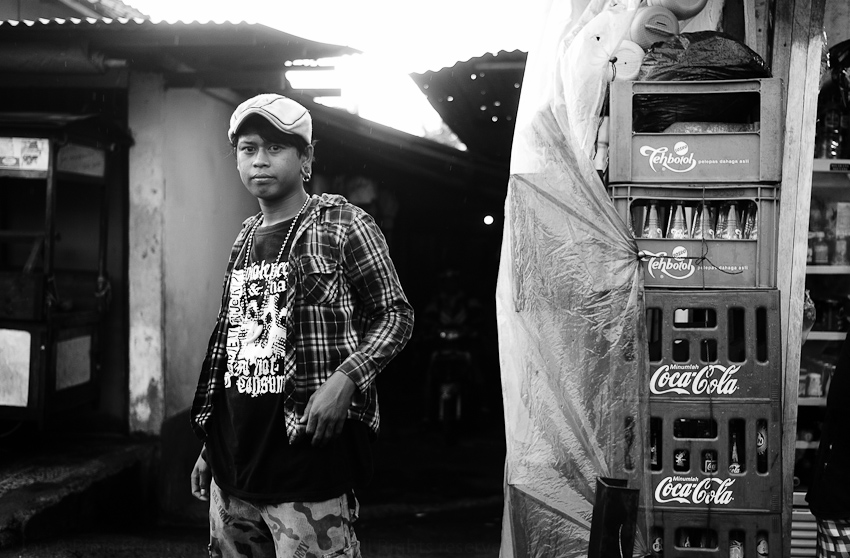
Man in the street, Jakarta Selatan, April 2014
“I do not believe, from what I have been told about this people, that there is anything barbarous or savage about them, except that we all call barbarous anything that is contrary to our own habits.”
Michel de Montaigne, The Complete Essays
French Man, Eiffel Tower, August 2008
Australia ratified the 1967 UN Protocol Relating to the Status of Refugees 41 years ago today. Though you wouldn’t know it, given Australia’s continuing harsh and cruel treatment of asylum seekers and refugees.
“The dehumanisation of refugees, who become faceless, nameless and rightless, is our greatest moral stain since the campaigns to hunt down and kill Aborigines.”
Barry Jones, July 2013
This week there are reports:
- Asylum seeker are stuck in Jakarta with nowhere to turn
- the February 2014 riots on Manus Island were foreseeable & due to delays in processing claims,
- 3 Asylum seekers a week are locked in solitary confinement on Manus Island,
- Evacuation of ill asylum seeker Hamid Kehazaei was delayed 19 hours & cheap & available drugs could have saved his life,
- Refugee girls are attacked on Nauru.
Unfortunately given the politics, despite decent Australians standing up and speaking out - unless sporting sanctions are imposed - the harsh and cruel treatment of asylum seekers will continue:
“Mr Morrison argues that the policy “saves lives”: almost 1,200 have died trying to reach Australia. Yet the boats have not stopped setting out from Indonesia and Sri Lanka. And according to the Refugee Council of Australia the numbers heading for Australia are often overblown: Yemen received more than roughly 25 times more boat people than did Australia over the past six years. But as Mr Abbott’s government has languished in opinion polls for much of 2014, failing to steer some key provisions from its first budget through the Senate, it is hoping this get-tough policy on asylum-seekers will score it political points.”
The Economist, December 2014
It is a fact that the boats haven’t stopped, people are just dying away from Australia’s gaze & Australia's policies are harming UNHCR efforts to address humanitarian challenges:
“According to the UNHCR report on Irregular Maritime Movements in South-East Asia, over 50,000 people set sail just from the Bay of Bengal area in January-November 2014. The smugglers operating in the region move people who are trafficked as well as those paying for passage outside of legal migration channels. The latter includes people such as ethnic Rohingya who do not have any nationality (and therefore no official travel documentation) and have a long history of persecution and discrimination by the Burmese government.
The UNHCR estimates that around 21,000 people have departed from the Bangladesh-Burmese maritime border in the two months of October and November 2014. About 10% were women, and around one-third of arrivals interviewed by UNHCR in Thailand and Malaysia were minors. The numbers for October 2014 are a marked increase (37%) from the year before.”
…
“It’s ultimately pretty simple and obvious: the key to reducing irregular movement of people by dangerous ways is to increase pathways for properly managed, safe and regulated movement. It involves as Guterres said, “looking at why people are fleeing, what prevents them from seeking asylum by safer means”.
In practice, nobody is going to be able to neatly pack their passport and customs declarations cards in order to flee discrimination or state persecution in a “regular” way. Which is why, in the case of those people, the Refugees Convention set up a system for countries around the world to join forces to help them, and why the UNHCR’s resettlement process allows for countries to accept refugees who cannot return to where they fled. Both of which the Australian government is slowly but surely repudiating.”
Sunili Govinnage, The Guardian, Dec 2014
What can you do?
Meanwhile, 167 children detained by the Australian Govt remain sweltering on Nauru.
Outside Mother Theresa's House, Kolkata
Clouds And Waves
Mother, the folk who live up in the clouds call out to me-
"We play from the time we wake till the day ends.
We play with the golden dawn, we play with the silver moon."
I ask, "But how am I to get up to you ?"
They answer, "Come to the edge of the earth, lift up your
hands to the sky, and you will be taken up into the clouds."
"My mother is waiting for me at home, "I say, "How can I leave
her and come?"
Then they smile and float away.
But I know a nicer game than that, mother.
I shall be the cloud and you the moon.
I shall cover you with both my hands, and our house-top will
be the blue sky.
The folk who live in the waves call out to me-
"We sing from morning till night; on and on we travel and know
not where we pass."
I ask, "But how am I to join you?"
They tell me, "Come to the edge of the shore and stand with
your eyes tight shut, and you will be carried out upon the waves."
I say, "My mother always wants me at home in the everything-
how can I leave her and go?"
They smile, dance and pass by.
But I know a better game than that.
I will be the waves and you will be a strange shore.
I shall roll on and on and on, and break upon your lap with
laughter.
And no one in the world will know where we both are.
Rabindranath Tagore
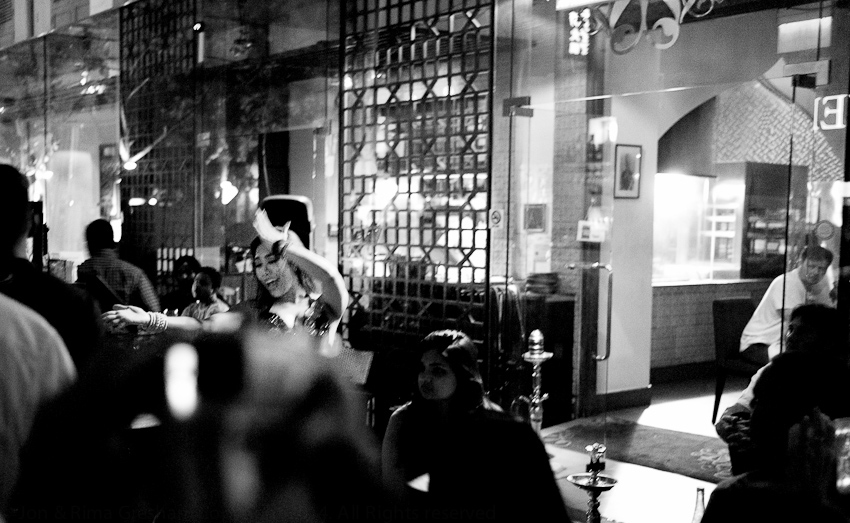
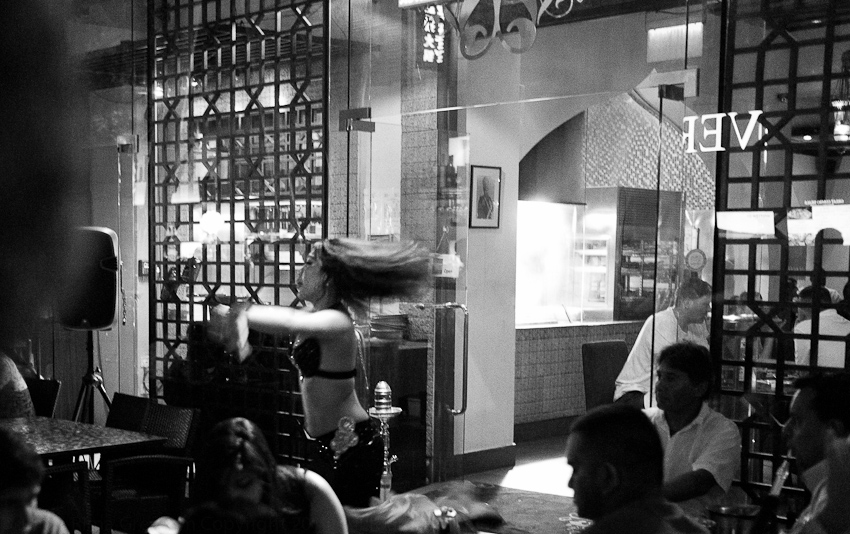
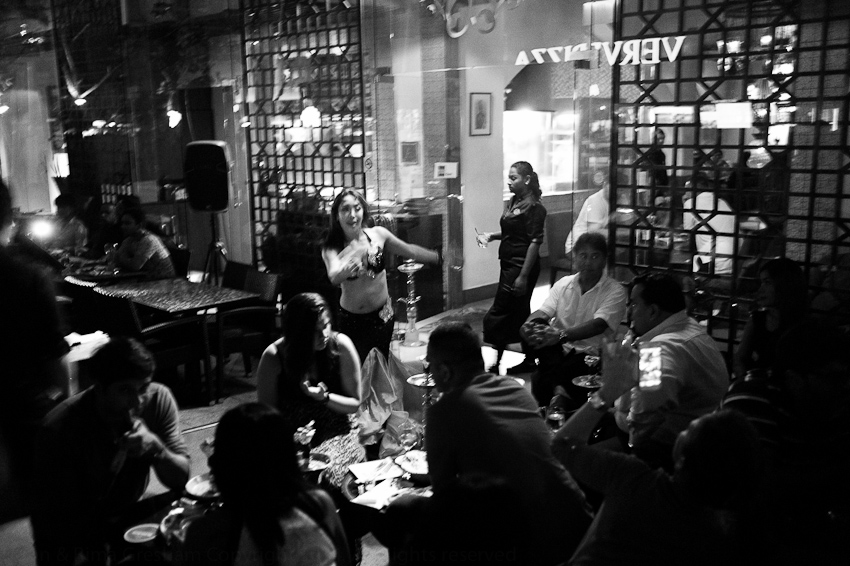
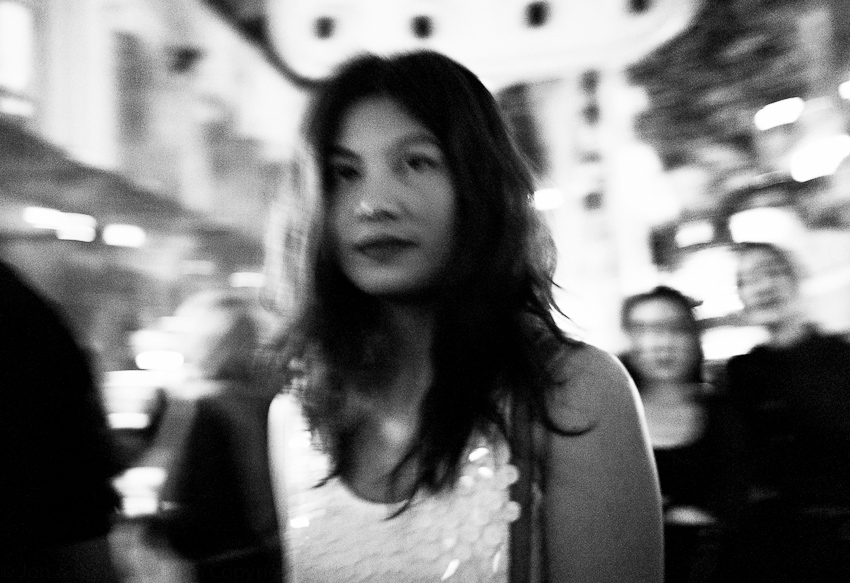
A poem on Belly Dancing can be found here.
While having nothing to do with Belly Dancing, do listen to Aleksander Hemon reading Nabokov's Pnin at The New Yorker. If only we treated refugees with the same decency we expect to be treated.
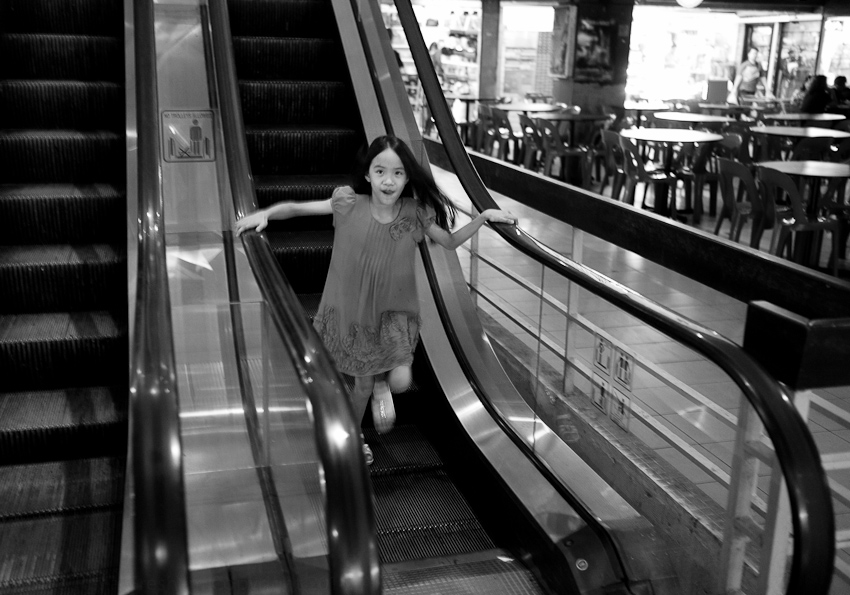
Kids, Jakarta Selatan, April 2014
I am procrastinating by watching Philip Larkin on YouTube. Philip Larkin wasn't just dour and miserable, he was very funny, not just sardonic, he also had a little Viz in him: his correspondence with Kingsley Amis was signed off 'Bum'. Here is one of his funniest, truest poems:
This Be The Verse
They fuck you up, your mum and dad.
They may not mean to, but they do.
They fill you with the faults they had
And add some extra, just for you.
But they were fucked up in their turn
By fools in old-style hats and coats,
Who half the time were soppy-stern
And half at one another’s throats.
Man hands on misery to man.
It deepens like a coastal shelf.
Get out as early as you can,
And don’t have any kids yourself.
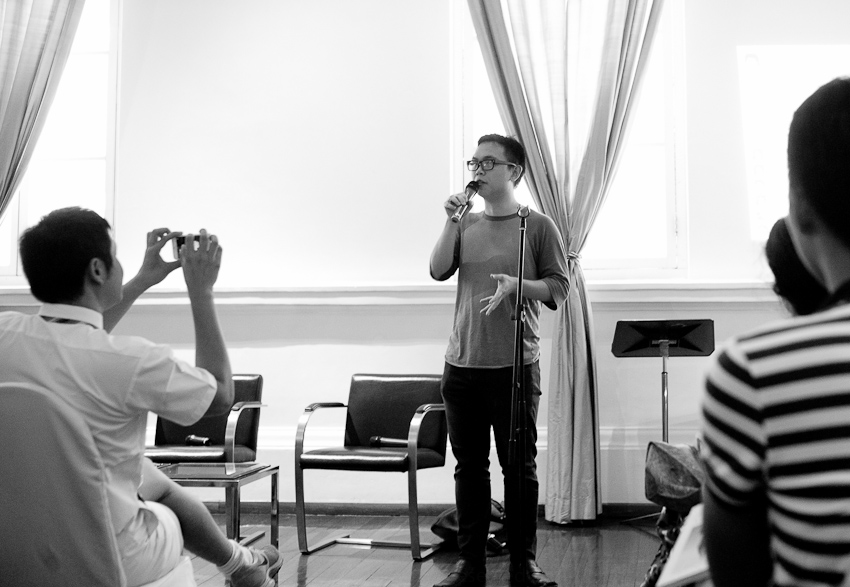
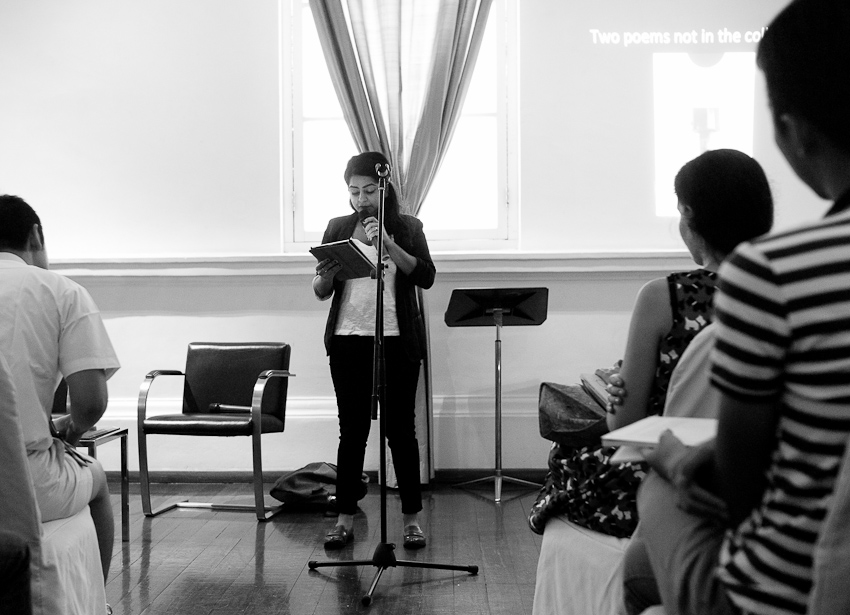
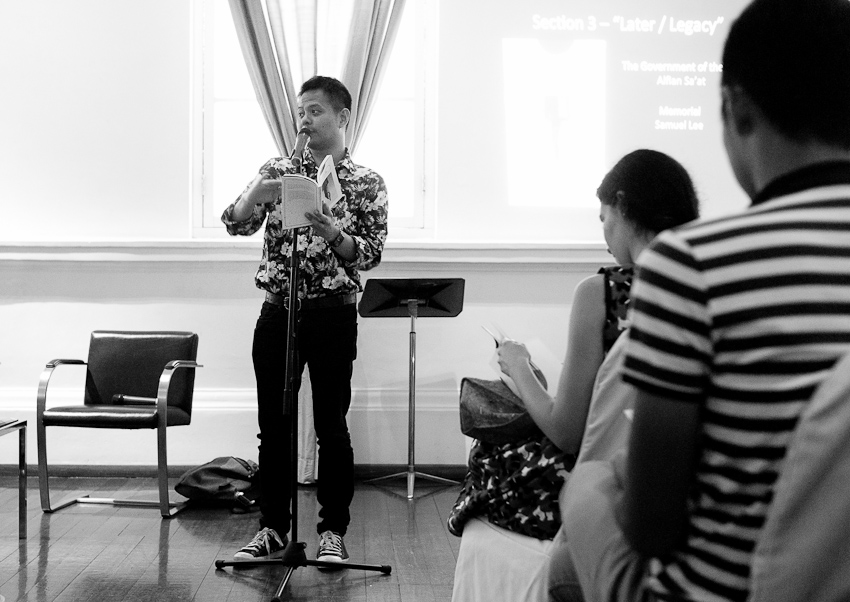
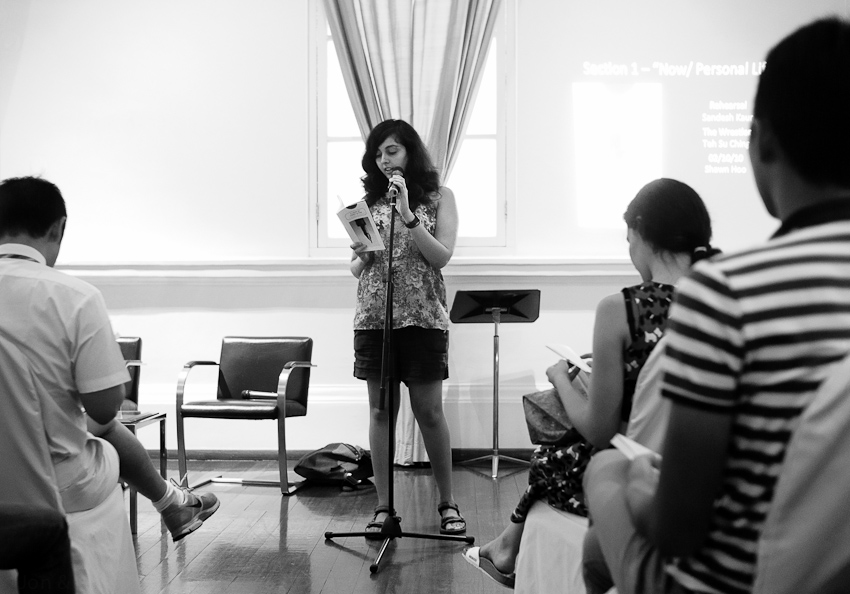
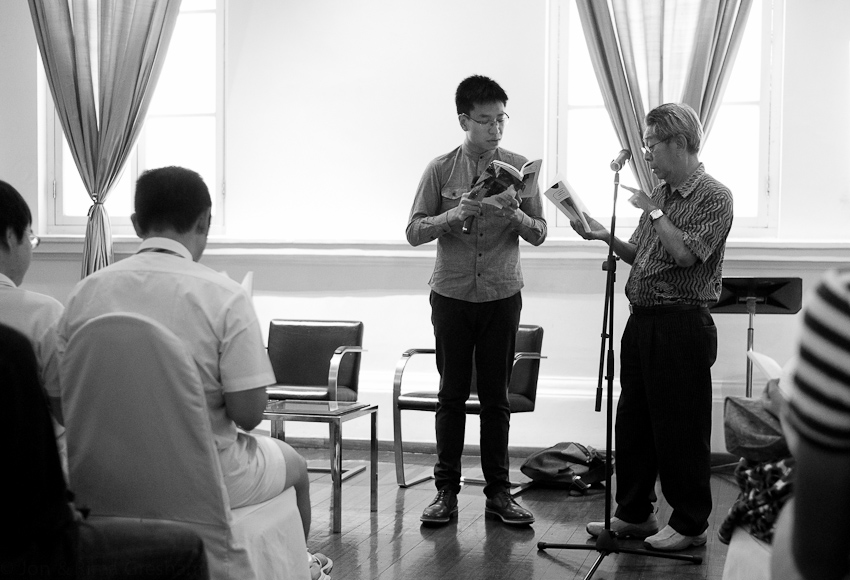
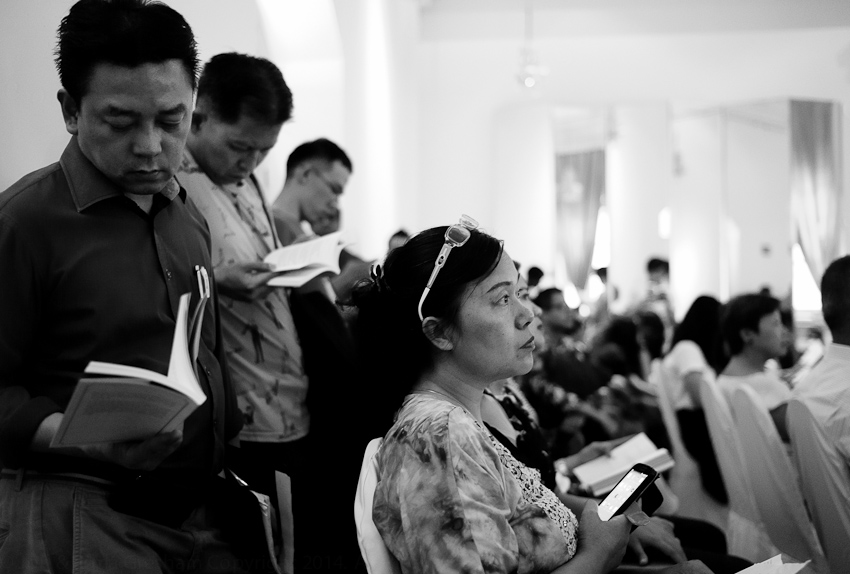
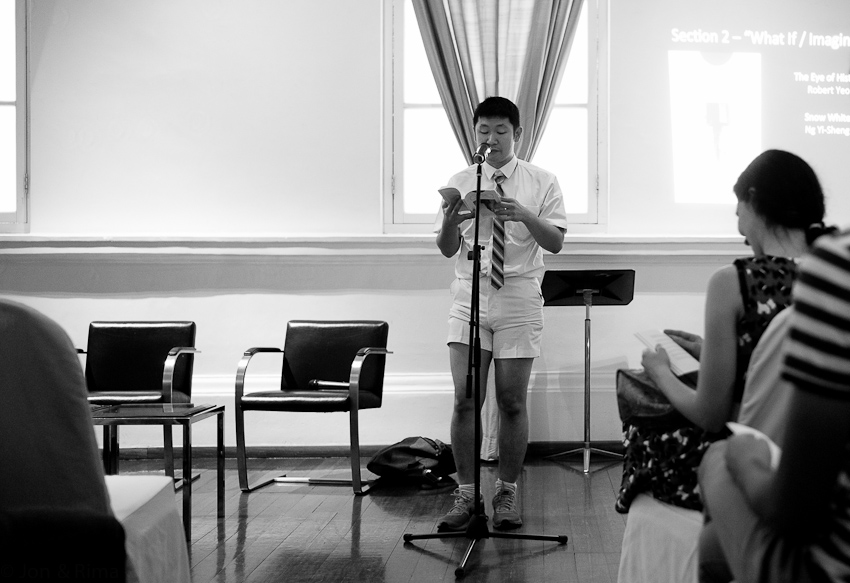
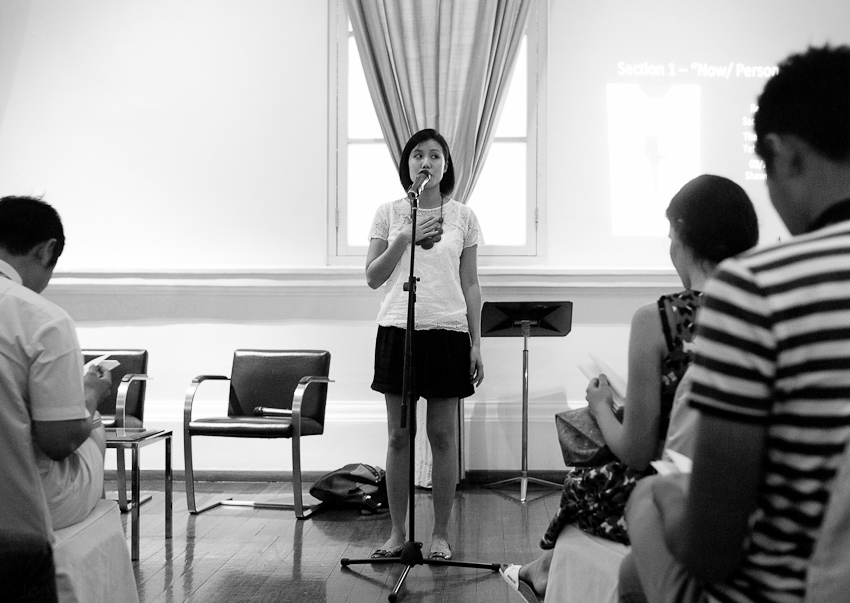
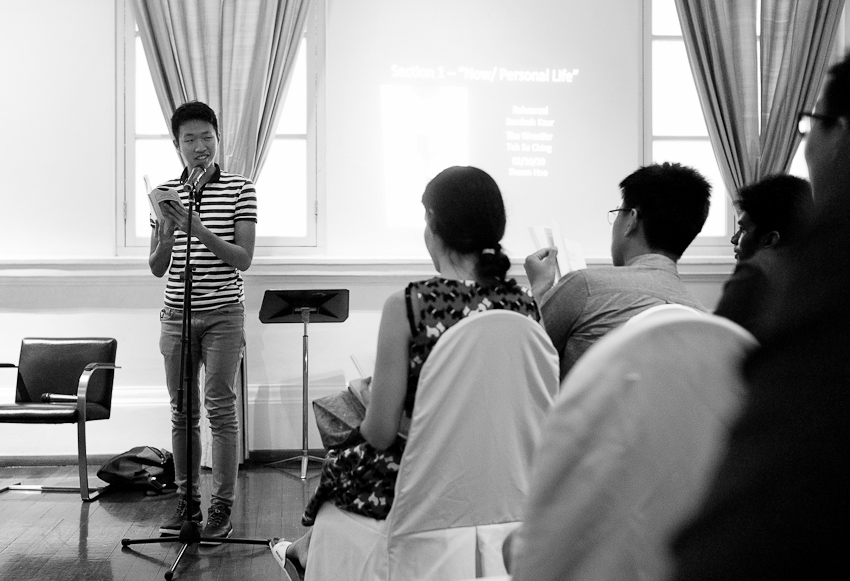
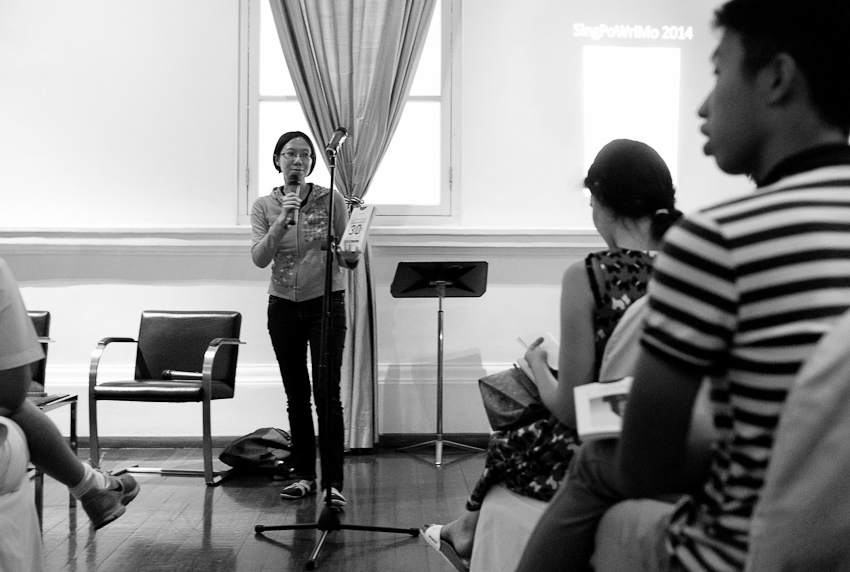
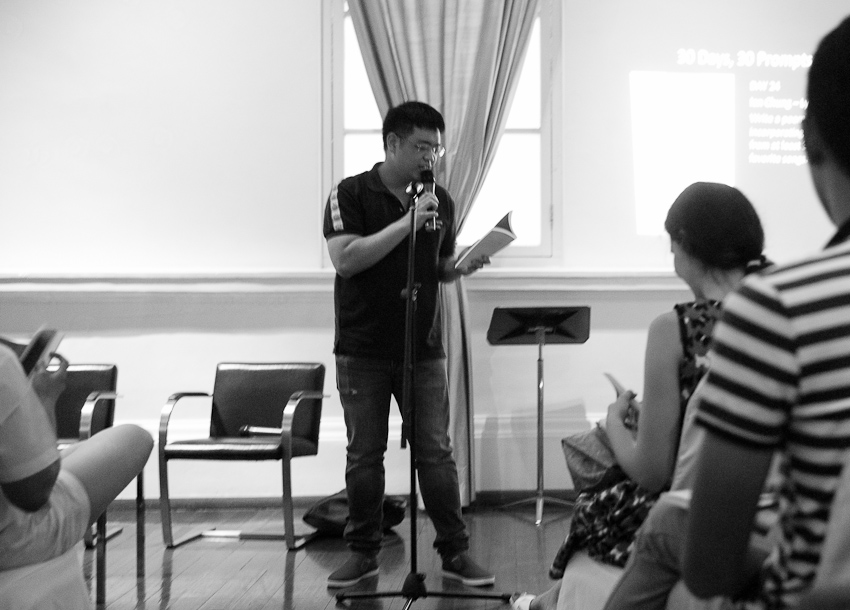
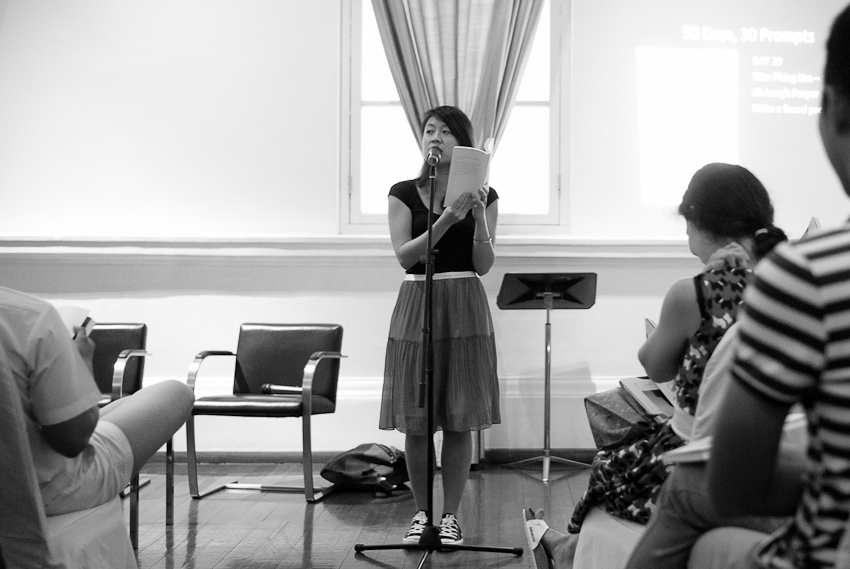
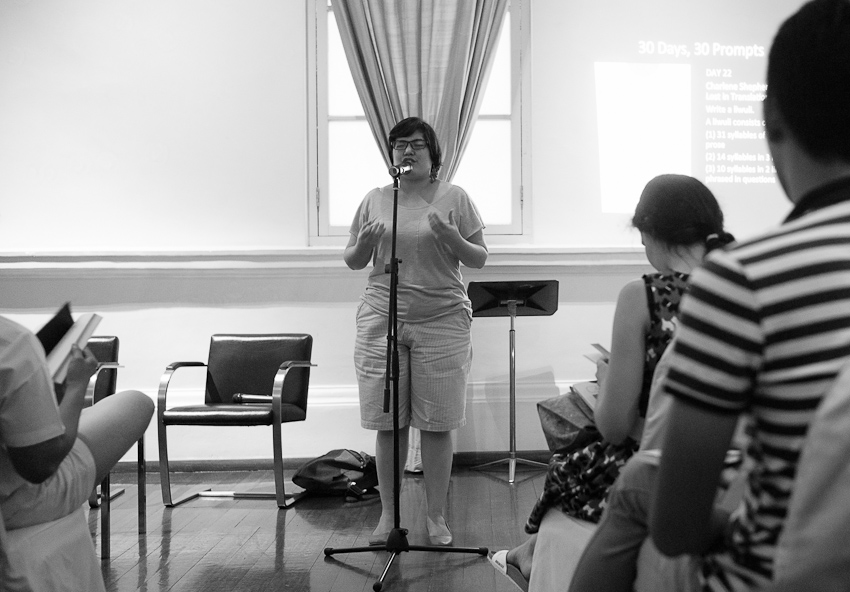
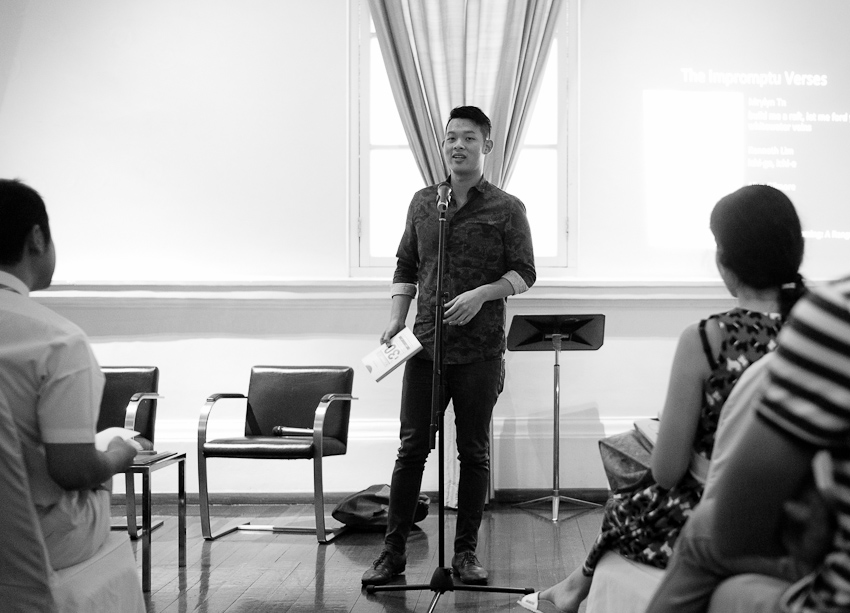
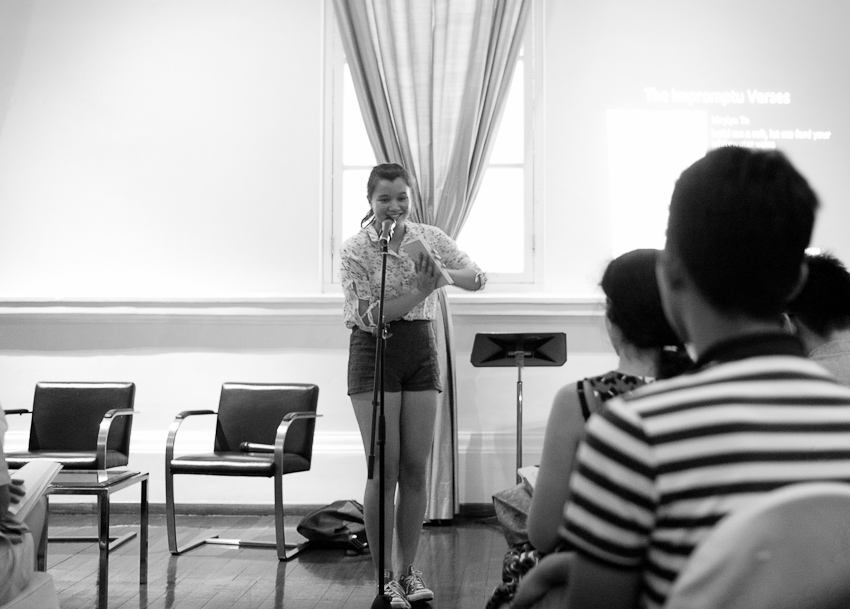
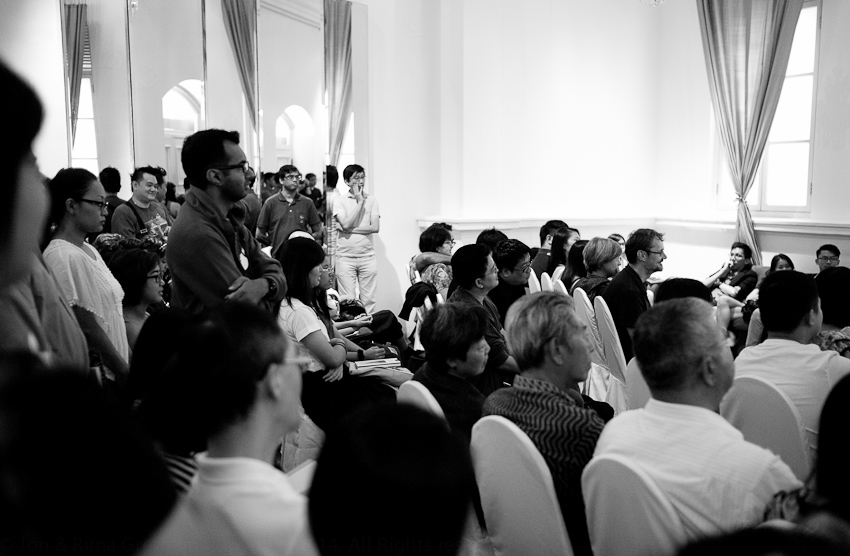
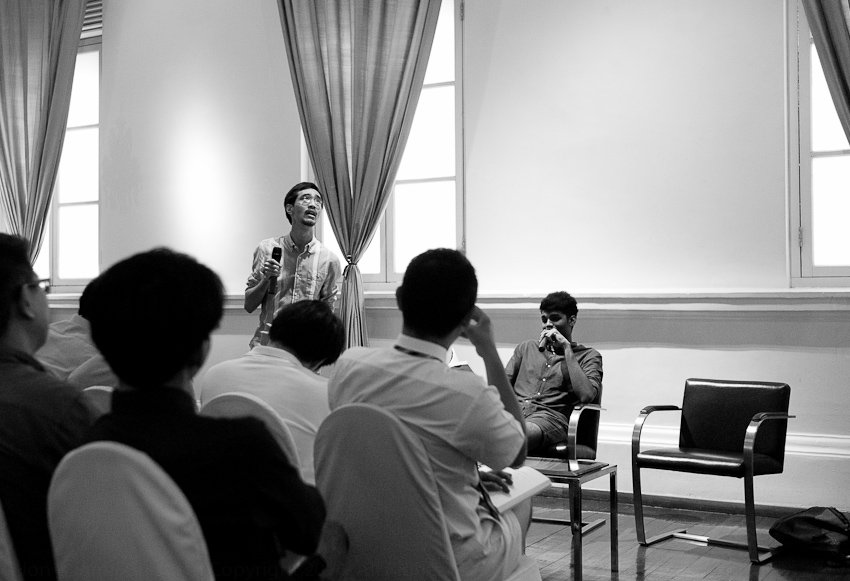
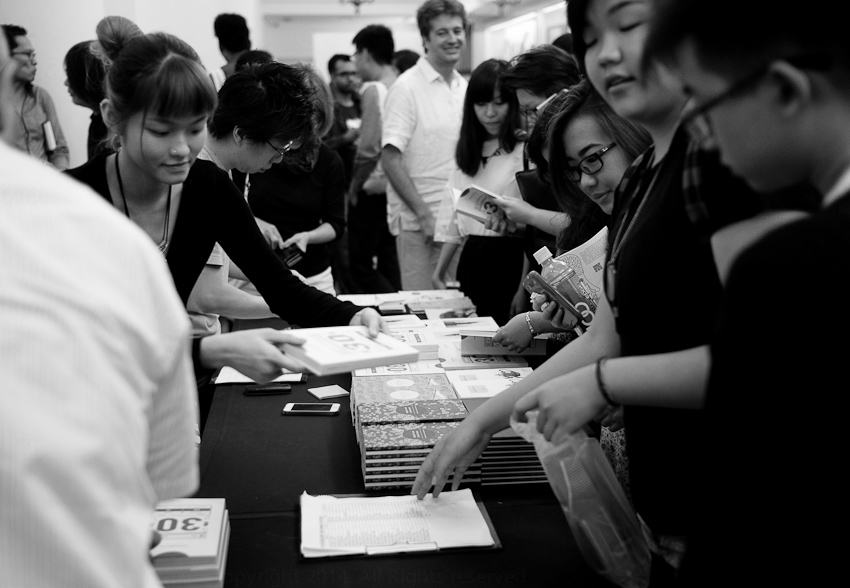
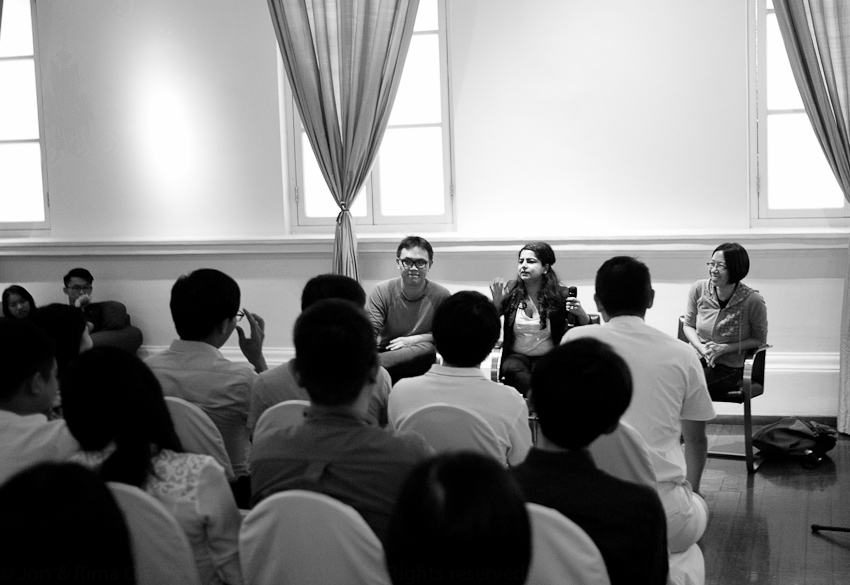
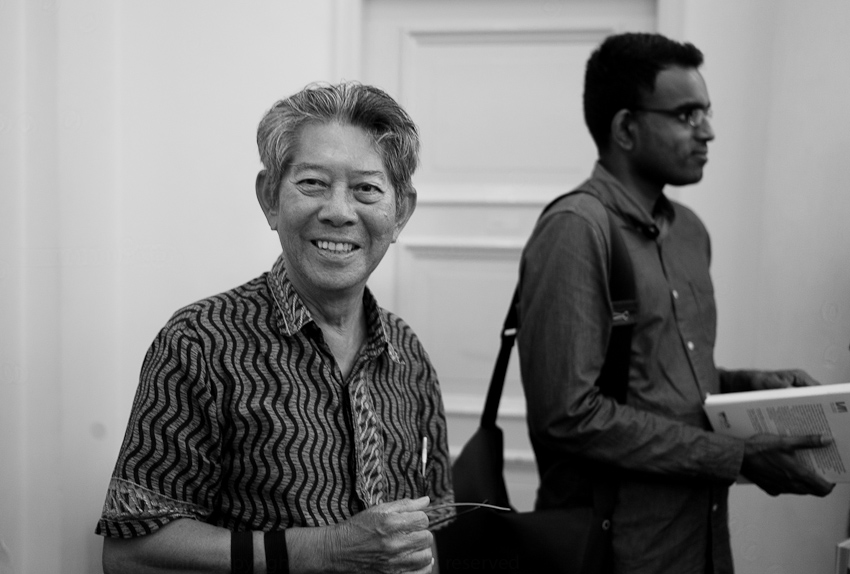
Last Sunday, two impressive poetry anthologies, A Luxury We Cannot Afford (edited by Christine Chia & Joshua Ip) and SingPoWriMo: The Anthology (edited by Ann Ang, Pooja Nansi & Joshua Ip) were launched by Math Paper Press at the Arts House.
In 1969 ‘he who cannot be named’ declared: “Poetry is a luxury we cannot afford.”
ALWCA is a poetic response to the myths and narratives that loom large around ‘he who cannot be named’. It is part homage, critique, analysis, rant, fiction, representation, exploration, examination and antidote to The Man.
Despite my poetic disabilities, I have a small prose poem on page 96 of ALWCA.
As a predominantly prose writer I am a lurker on SingPoWriMo but I do enjoy the energy and enthusiasm, challenge and chutzpah of this grassroots movement. Who knew poetry was so popular in Singapore?
During the Q&A the question was asked, I think by Robert Yeo, why the resurgent interest in poetry in Singapore amongst so many teenagers/young people? What is to account for it?
Several points were made by Joshua Ip & Robert Yeo & others:
The corollary of the question is: does poetry fade out of life as the years go by? Probably. To some extent as you grow older priorities change, your focus turns to security rather than exploration, you grow commitments & you have less time and energy for poetry due to your obligations to job, spouse/partner, offspring, aging parents, mortgage etc, etc. Consumerism, class, status, money & growing old kill poetry - if you let them. Prose writers experience this too. Sigh.
A review of SingPoWriMo can found here.
Lady Wandering Around, Clarke Quay, Singapore, November 2014
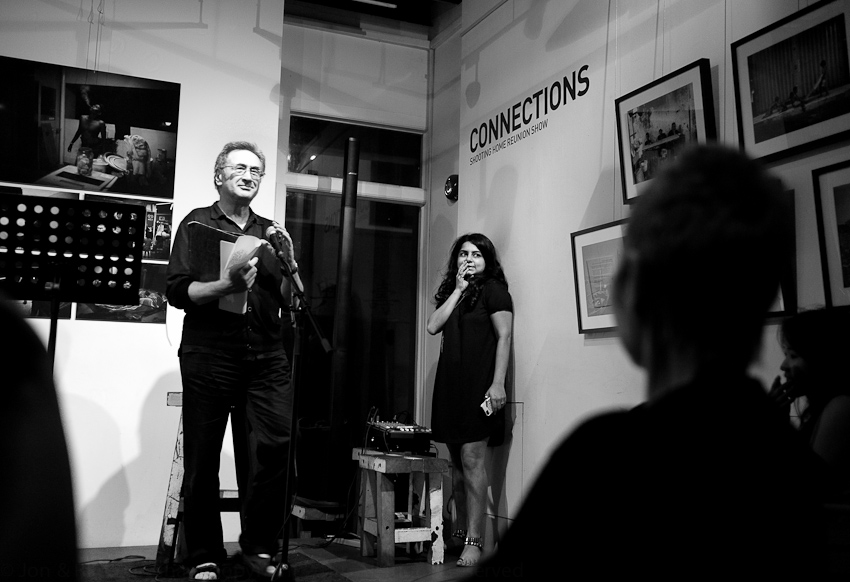
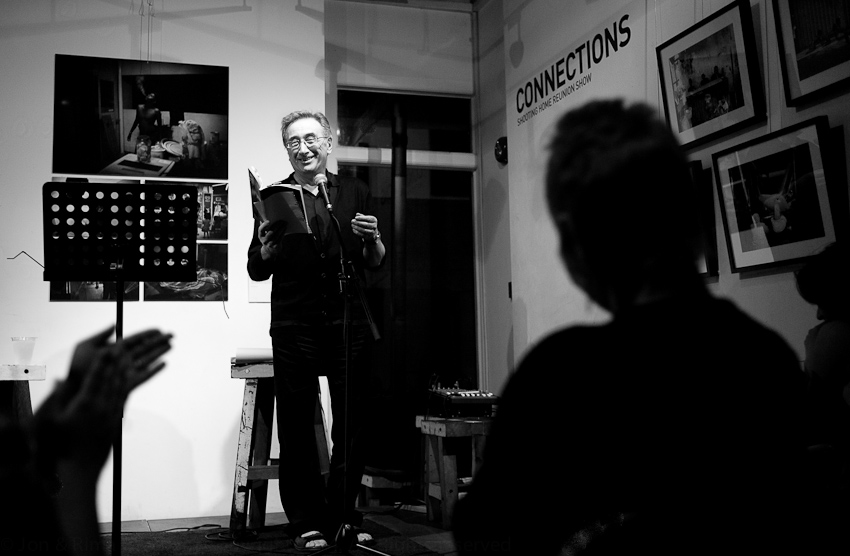
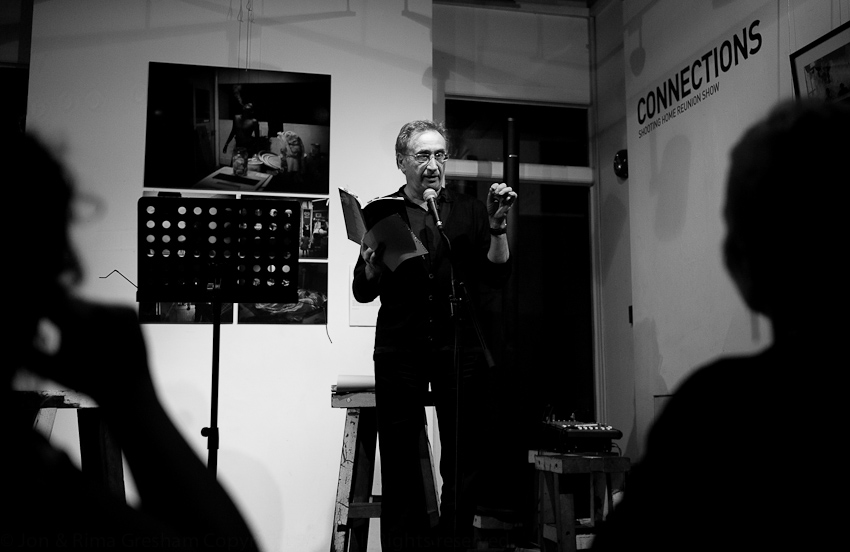
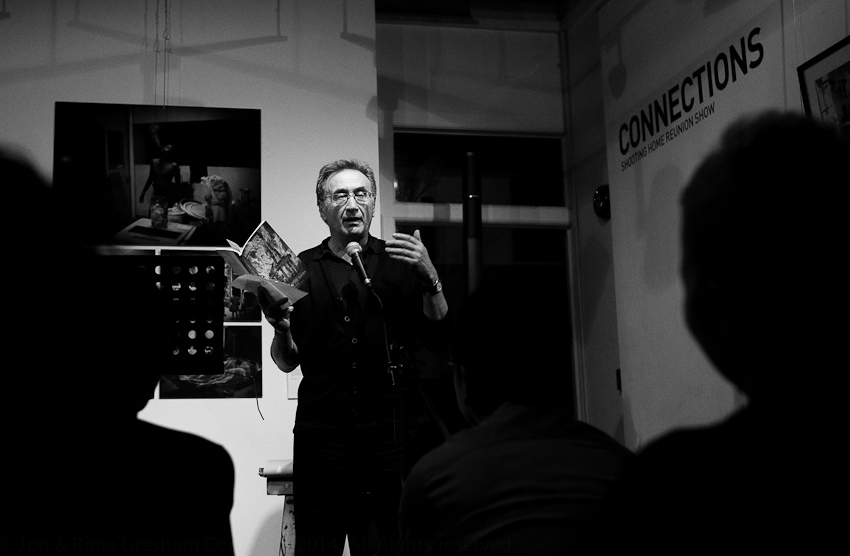
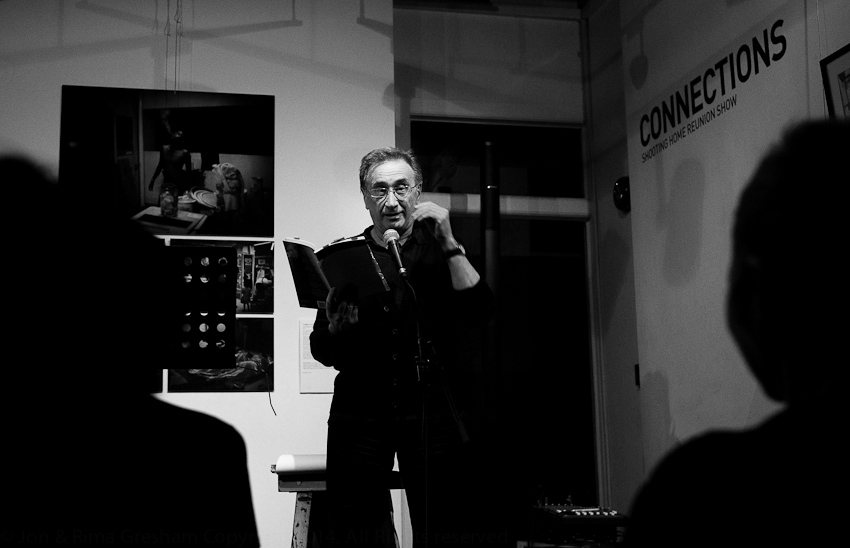
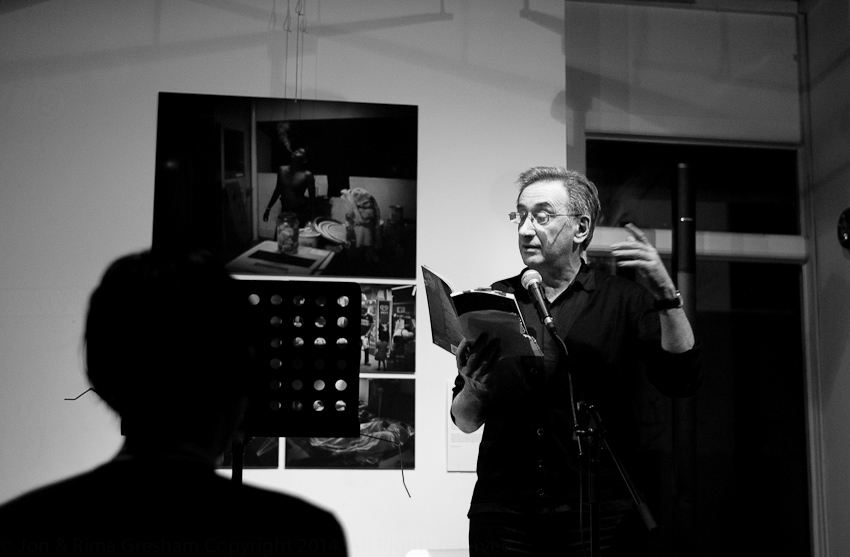
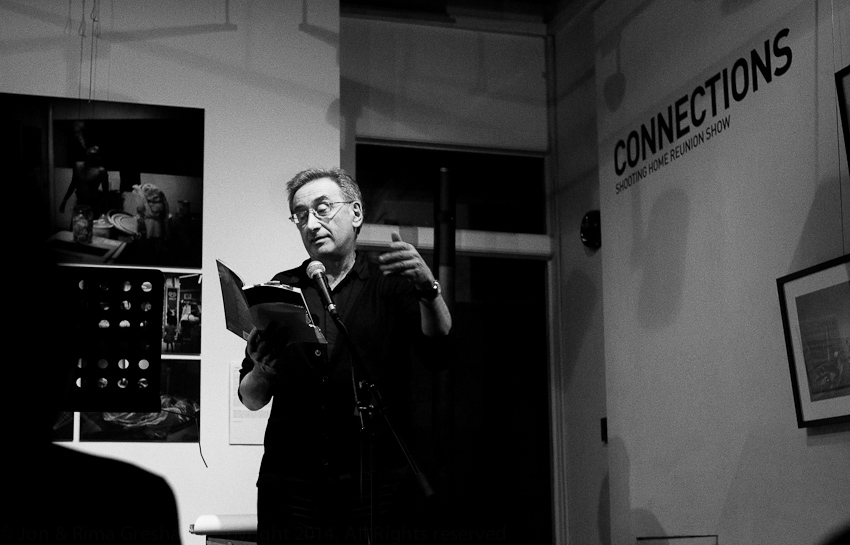
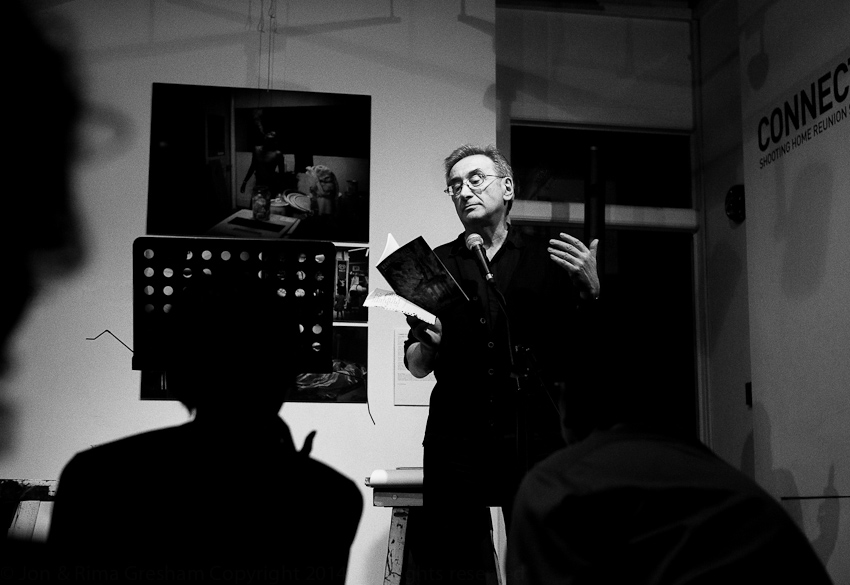
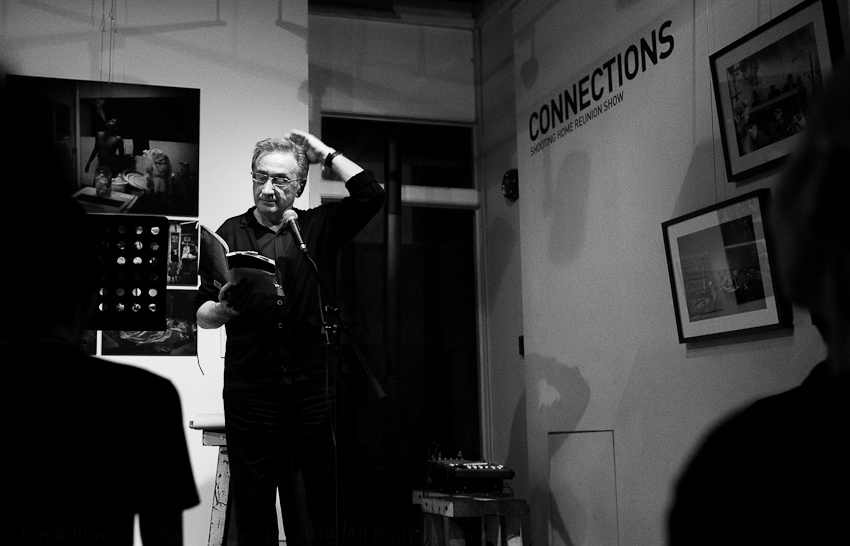
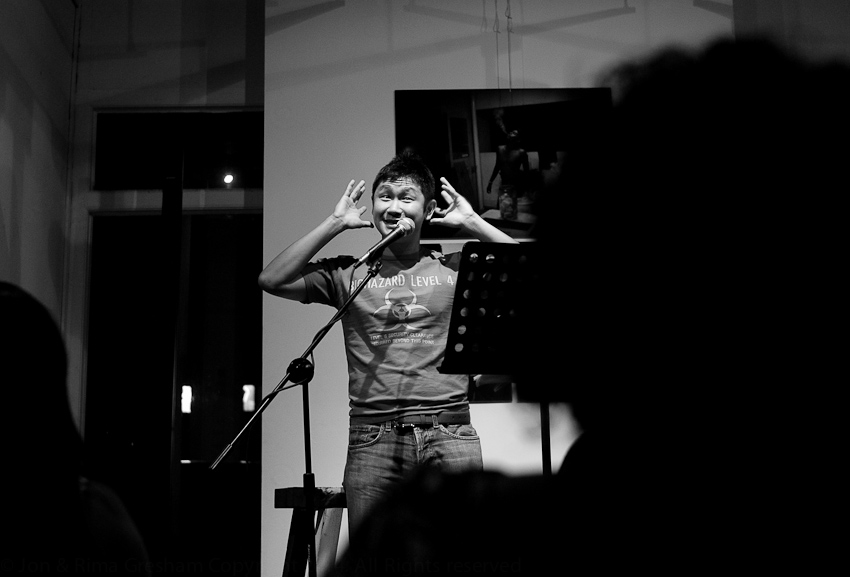
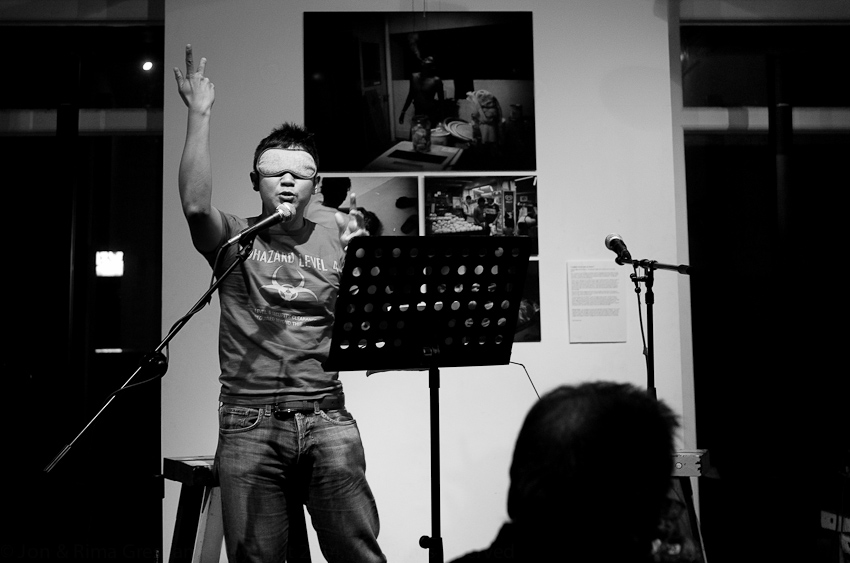
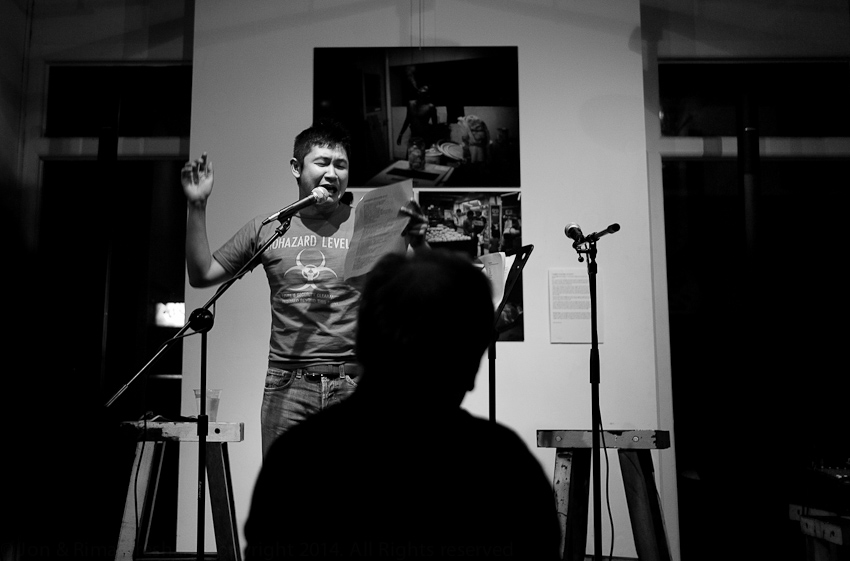
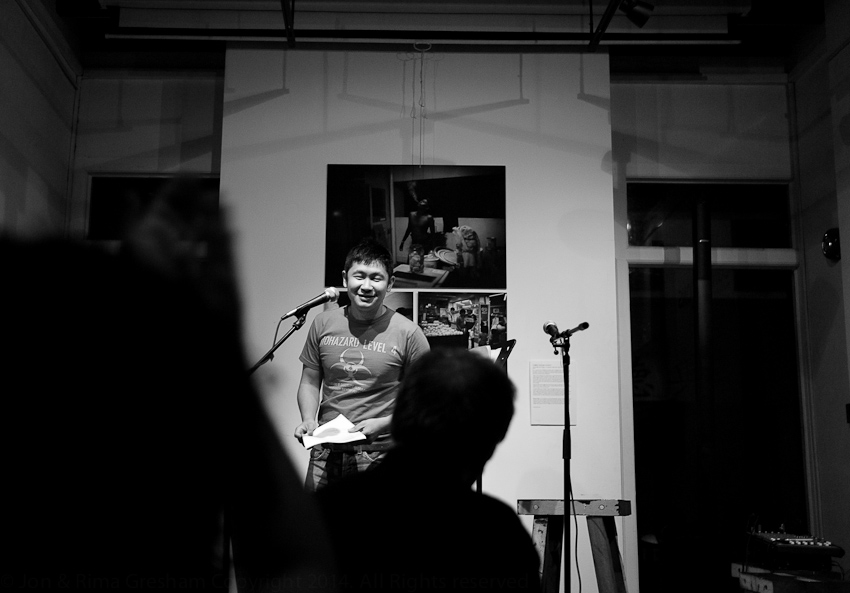
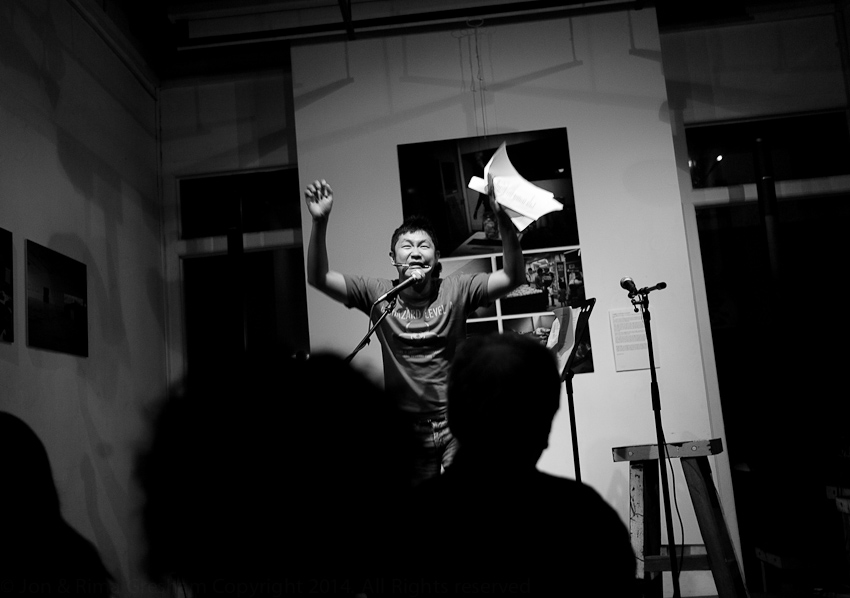
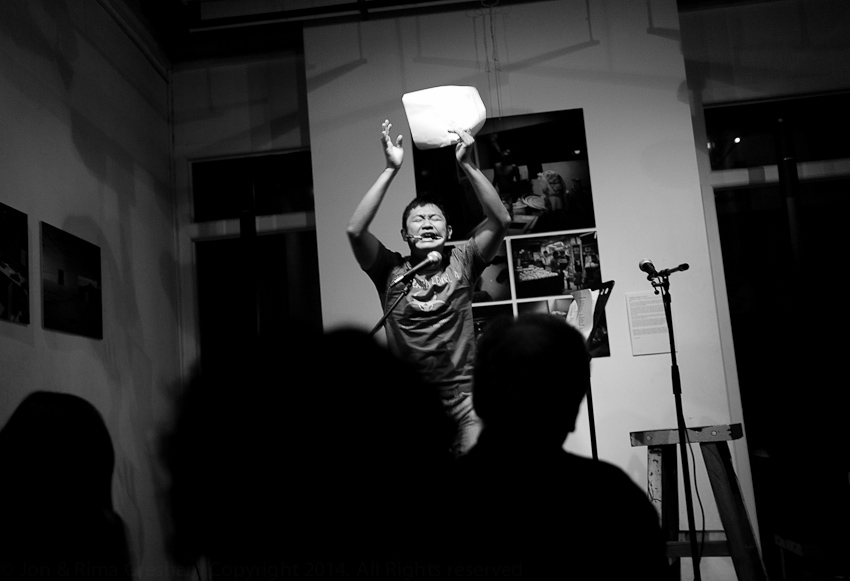
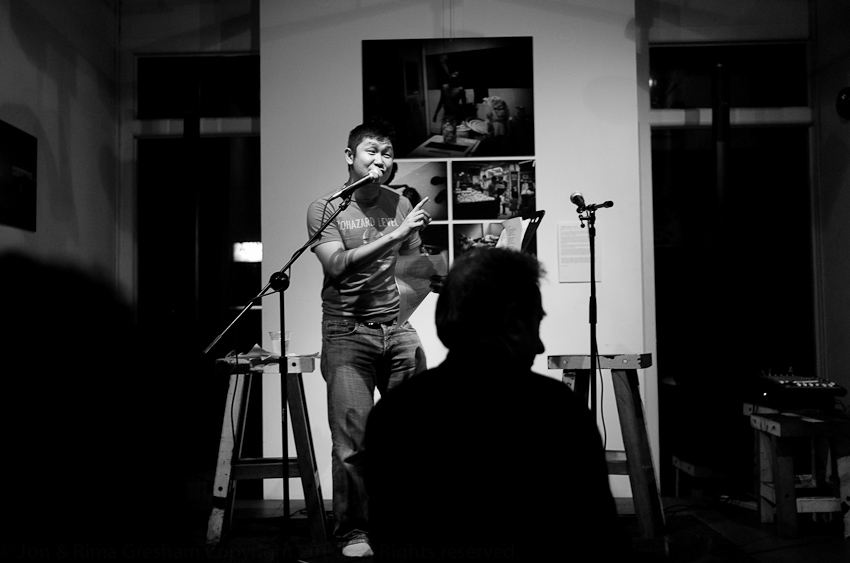
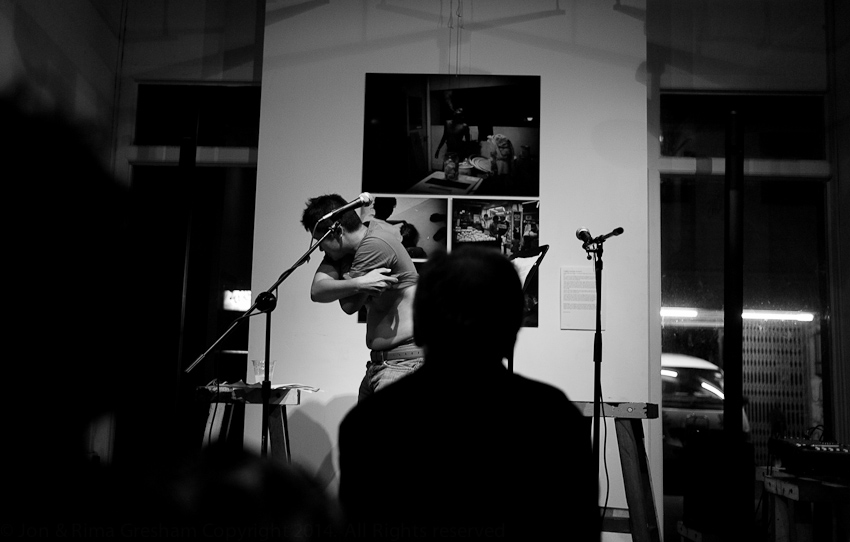
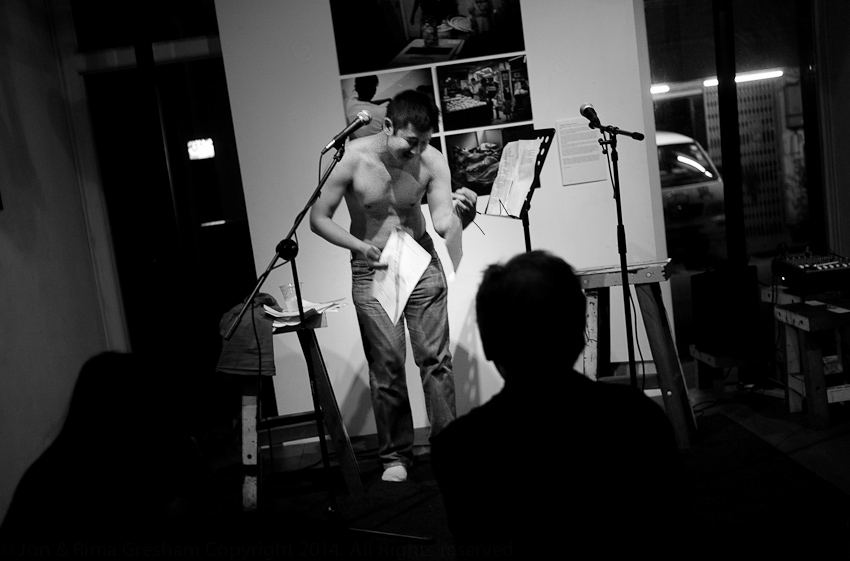
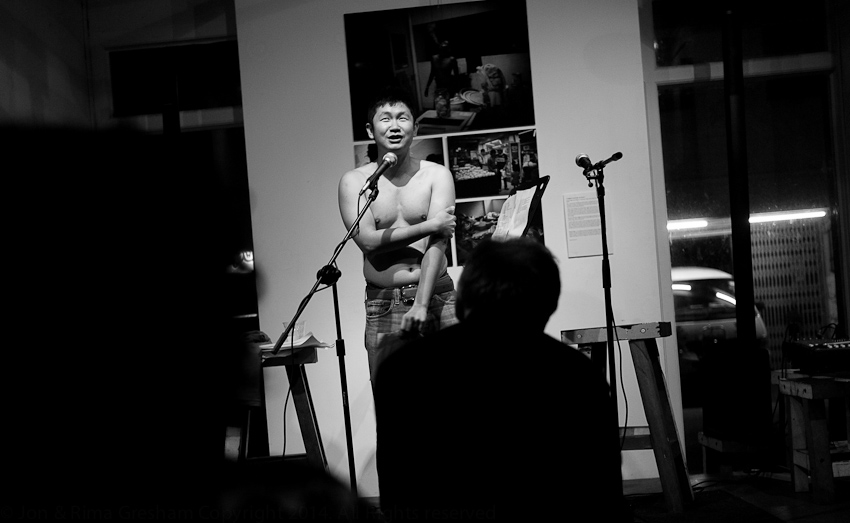
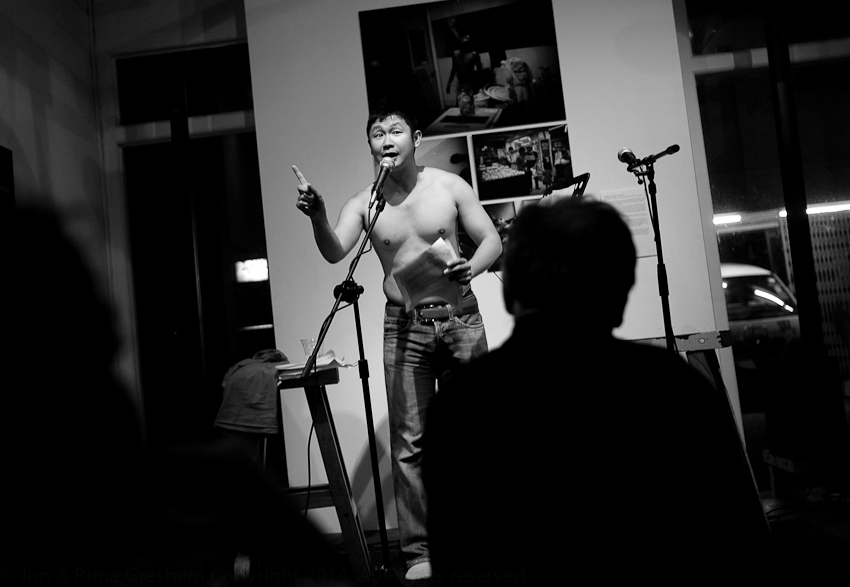
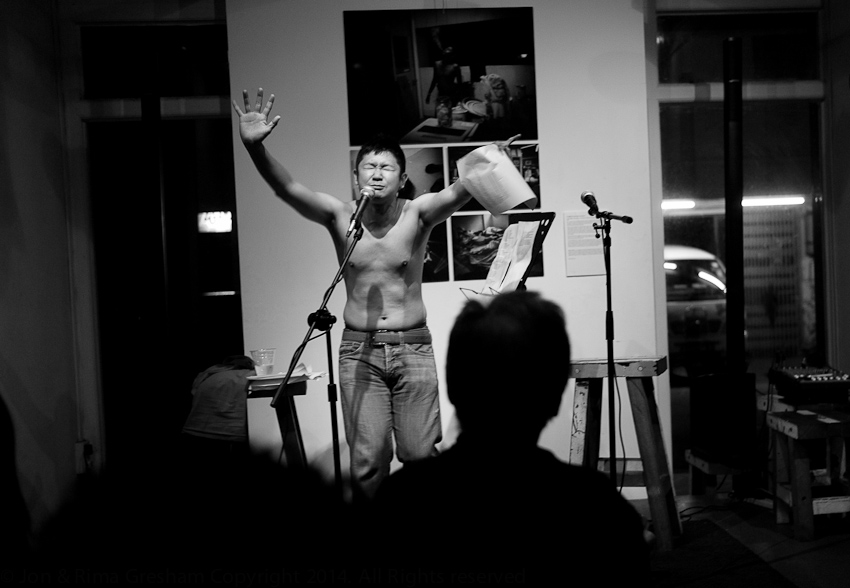
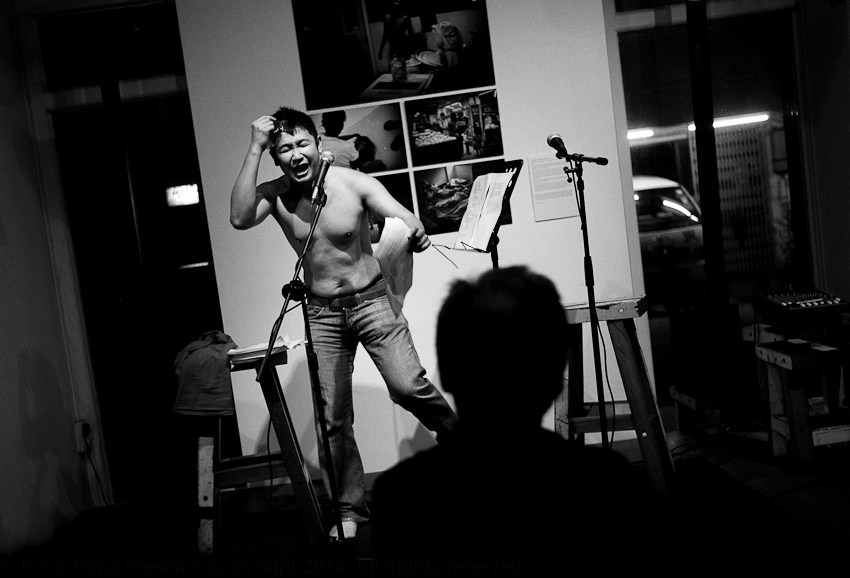
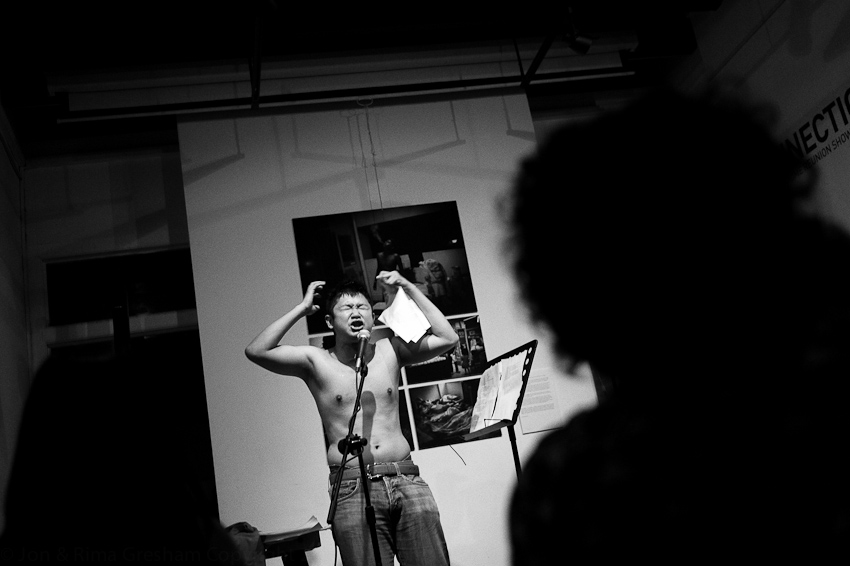
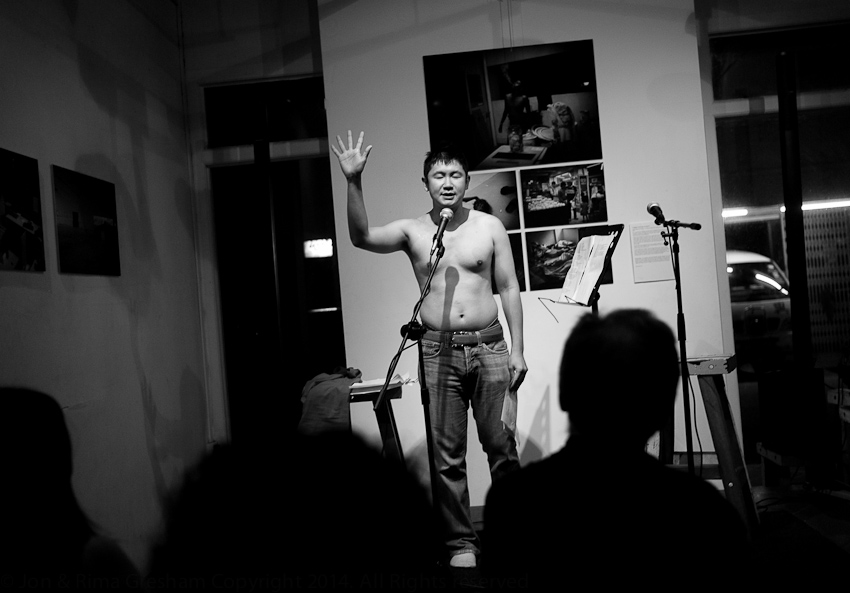
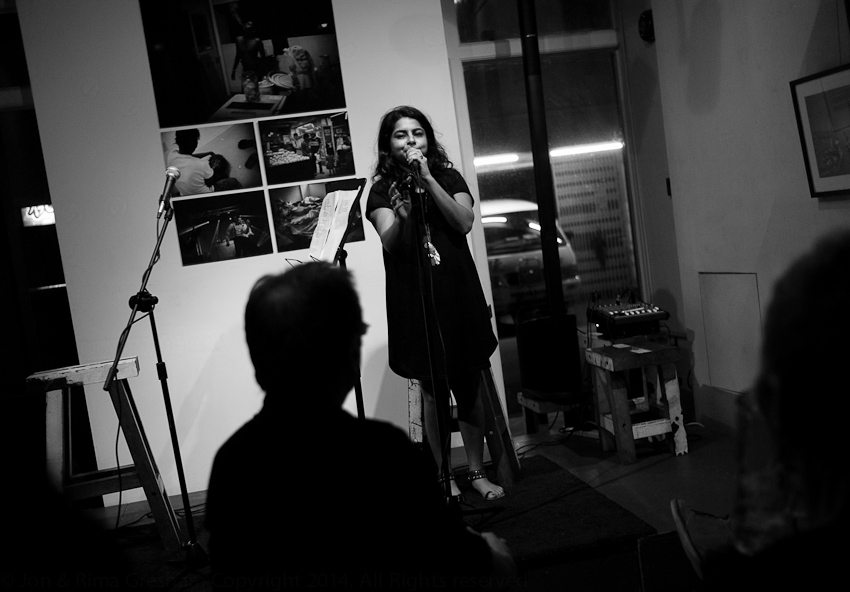
Speakeasy #16 at Artistry featured two very different, excellent, inspiring poets, George Szirtes and Ng Yi Sheng.
Apart from being a TS Eliot prize winning poet, George, is a Manchester Utd supporter. He also delivered a wonderful response to Jeremy Paxman's statement that poetry should aim to 'engage with ordinary people much more'.
I really enjoyed listening and engaging with his poem, Madhouse.
George has written a fine summary of the evening - full of warm and open insights - here on his blog.
Ng Yi Sheng is one of the leading poets in Singapore and won the Singapore Literature Prize for Last Boy in 2006.
His mother was in the audience and I bought her a pot of camomile tea. Yi Sheng tore off his T Shirt and performed 'A Loud Poem to be Read to a Very Obliging Audience', which climaxed in a crescendo of energy and action, and then levelled off to end in self destruction. Afterwards I poured his mother another cup of tea.
Yi Sheng has an illuminating tumblr East is Everywhere which explores the mix and mingling of 'Asian' cultures.
Speakeasy returns to Artistry Cafe next year.